The right socks can make or break your adventure. Running and hiking put different demands on your feet, and the wrong pair can mean blisters, hot spots, or discomfort.
Let’s break down what sets running socks apart from walking or hiking socks and how the right designs bring comfort, performance, and sustainability in every step.
Why the Right Sock Type Matters
The wrong socks can lead to blisters, hot spots, or overheated feet, especially when your activity level ramps up. That’s why runners and hikers alike need socks tailored to their unique motion, footwear, and environment.
Cushioning and Impact Support
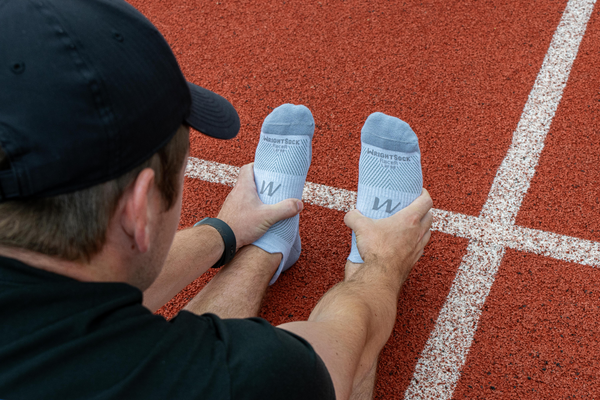
Running generates repetitive high-impact strikes that amount to thousands per mile. That’s why running socks are designed with light to moderate cushioning, giving you just enough padding for comfort without losing that close-to-foot responsiveness runners crave.
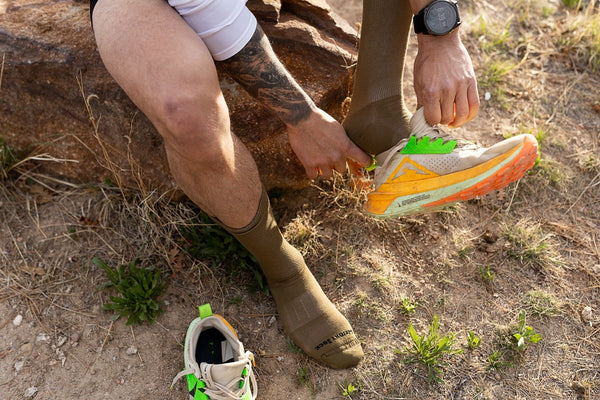
Hiking, on the other hand, calls for heavier cushioning that protects against uneven terrain, sharp rocks, and long hours of wear. Extra padding around the heel and ball of the foot absorbs shock and keeps your feet fresh, even on steep climbs or multi-day treks. These socks can provide the necessary comfort and protection your toes demand during challenging hikes.
Friction and Moisture Control
Sweat is your feet’s biggest enemy. Both runners and hikers deal with heat and moisture buildup, but the solutions differ. Among the key things to consider when buying running socks are materials that manage moisture and minimize friction.
Running socks typically use lightweight, moisture-wicking synthetics to keep sweat off your skin and reduce the chance of blisters during fast-paced workouts. Hiking socks, on the other hand, often blend Merino wool or recycled synthetic fibers that wick moisture while regulating temperature to keep your feet cool in the heat and warm when the air turns crisp.
When it comes to friction, our Double Layer® design sets the gold standard. By having an inner and outer layer that move against each other (not your skin), this design dramatically reduces friction and provides flawless protection against blisters.
Key Differences Between Running and Hiking Socks
Although both aim for comfort and protection, their designs are tuned for totally different conditions. Let’s look at how they compare:
-
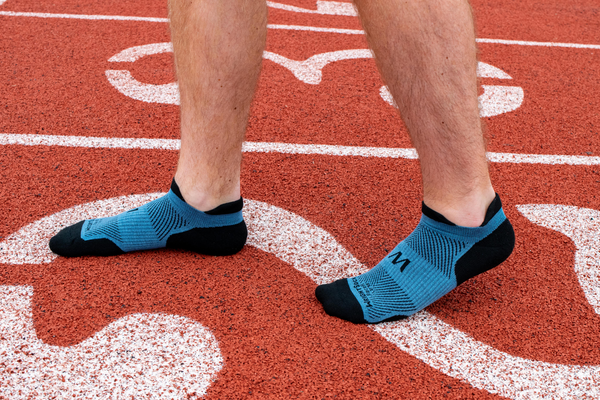
Cushioning – Running socks are thinner for a snug fit; hiking socks are thicker with extra padding for rough terrain.
-
Materials – Running socks use fast-drying synthetics; hiking socks often blend Merino wool for moisture control, odor resistance, and temperature regulation
-
Fit – Running socks fit snugly for stability; hiking socks allow toe room for long wear
-
Height – Running socks sit low; hiking socks rise higher for boot protection.
-
Features – Running pairs focus on lightweight breathability; hiking socks emphasize durability and shock absorption.
Selecting socks with targeted support for your activity not only improves comfort but also helps prevent discomfort and injury on your outdoor adventures with good results.
When to Use Each Type
Both types shine in different settings, and sometimes, you’ll want both in your gear drawer.
Best for Running
Whether you’re training for a marathon or hitting a morning trail run, performance socks prioritize breathability, lightweight feel, and quick drying. They keep your feet cool and blister-free, mile after mile.
Best for Hiking
Do hiking socks make a difference? Absolutely. When adventure calls for endurance and durability, hiking socks step up. Their thicker construction, insulation, and all-day comfort make them perfect for rugged trails and variable weather.
Why You Might Need Both
Just as you wouldn’t wear hiking boots to a track workout, you shouldn’t wear thin running socks on a multi-day hike. Having both types ensures your feet get exactly what they need for comfort, performance, and protection tailored to every terrain.
Can You Use One Sock for Both?
Here’s the short answer: You can, but you probably shouldn’t. While some premium performance socks can handle crossover use, each activity benefits from purpose-built features.
Why We Excel in Both Categories
Engineered for performance and crafted with care, we bring together innovation, comfort, and durability to deliver the ultimate experience for both runners and hikers alike.
Advanced Material Innovation
Wrightsock leads the pack with moisture-wicking fibers, breathable construction, and double-layer technology engineered to prevent running or hiking blisters. For anyone wondering what causes hiking blisters, it often comes down to friction, trapped moisture, and heat buildup. Our design, with recycled fibers in its synthetic performance socks, reduces waste without compromising performance.
USA-Made Quality and Durability
Each of our pairs is proudly made in the USA, crafted with precision, care, and a deep understanding of what active feet truly need. These durable socks provide performance mile after mile, hike after hike.
Trusted by Runners and Hikers
From ultramarathoners to Appalachian Trail hikers, you can trust one thing above all: Comfort that lasts. No friction, no blisters, just the confidence to go farther.
Wear the Pair that Fits Your Life
Every adventure deserves the right gear. Runners need lightweight socks that move with every stride, while hikers need cushioned, durable designs built for distance.
No matter your terrain, our USA-made collections deliver breathable, blister-free quality. Explore our collection of men and women’s performance socks and give your feet the comfort they deserve.