If you’re constantly dealing with blisters, you know how much they can affect your enjoyment and performance while on a run, hike, or a simple walk around the neighborhood. Instead of letting blisters hold you back, you can take steps to stop them for good. As you prepare for your next long run or hike, take a moment to learn more about what causes blisters and five ways to prevent them.
Why Do I Get Blisters?
Blisters are small fluid-filled sacs caused by heat, friction, and moisture. When you’re exercising, your insole, shoes, and socks rub against your skin, creating friction. Over time, this friction can cause your top layer of skin to separate from your bottom half. A sac containing a plasma-filled fluid then forms between the layers. If you run in the rain or your feet sweat a lot, you’re more likely to get a blister since moisture leaves your feet more vulnerable and increases friction.
5 Tips for Stopping Foot Blisters for Good
Whether it’s keeping your feet dry or wearing double-layer socks, you have a few different ways you can protect yourself from blisters. Learn more about our top five tips for preventing blisters below:
1. Cover Problem Spots
If you exercise regularly, you’ve probably noticed that certain spots tend to get blisters more often. Before you start a long run or walk, you can cover these hot spots with patches, sports tape, paper tape, moleskin, gel bandages, or special anti-blister socks. Typically, special anti-blister socks, like double-layer socks from Wrightsock, are the most convenient option, as they’re designed to cover common hot spots, and you won’t have to waste time applying any tape or bandages.
2. Wear the Right-Sized Shoes
Since ill-fitting shoes will rub against your skin more and generate more friction, they’re another common cause of recurring blisters. If your shoes feel too tight or loose, you’ll need to find a new pair that fit well. The best-fitting shoes will have enough for your space to expand but not slide and a finger’s width of length from your shoe’s end to your toe’s end. You’ll also want to select a pair where your heel doesn’t slip, and your toes don’t rub against the front.
3. Don’t Remove Your Calluses
While you might not like the look of calluses on your feet, they’re your body’s defense mechanism against blisters and friction. Instead of filing them off or picking at them, leave them alone to reduce the risk of blisters. You can also build your calluses by gradually increasing the time of your runs, hikes, or walks. If you notice painful cracks in your calluses, you can use a foot moisturizer to prevent the calluses from drying out too much.
4. Stay Dry While You Run
When your feet get wet while running, you’re far more likely to get a blister. Besides avoiding runs in the rain or muddy trails, you can cut down on sweat by using specially formulated antiperspirant on your feet. You can also sprinkle cornstarch inside your shoes and place talcum powder in your socks and shoes to cut down on moisture. Even better, you can purchase socks made with moisture-wicking materials that keep moisture from building up in your socks.
5. Wear Anti-Blister Socks
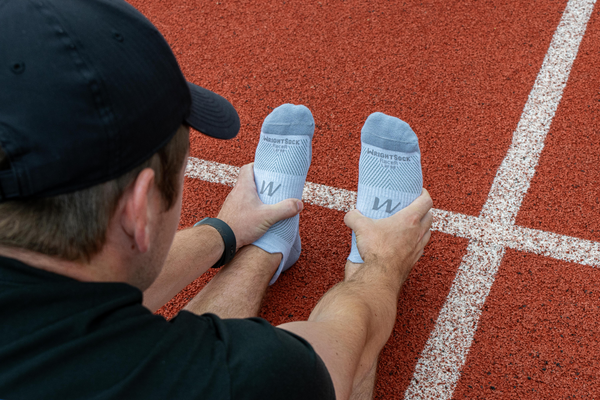
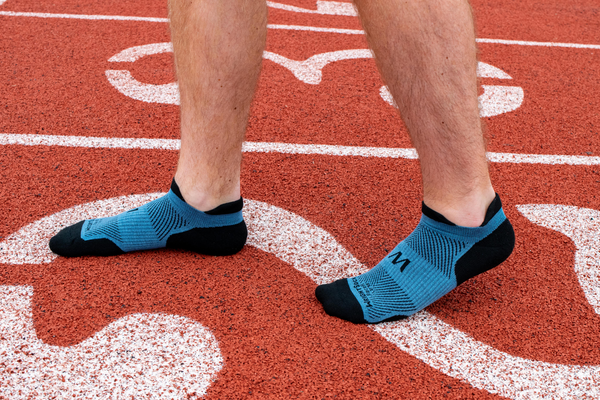
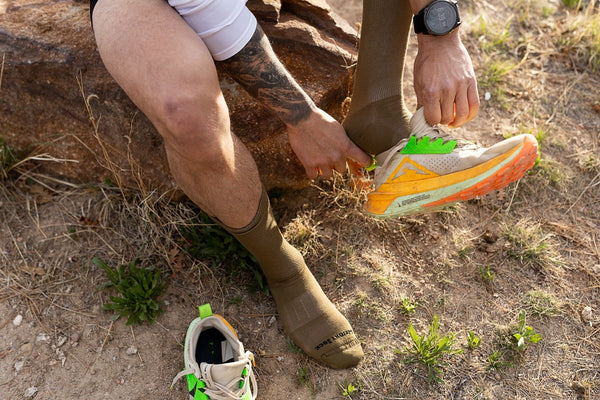
One of the most common causes of blisters is poor-quality socks, as some socks, especially those made out of cotton, will retain a lot of moisture and increase friction. With double-layer, anti-blister socks from Wrightsock, you won’t have to worry about your socks causing blisters. Since our double-layer socks are designed to stop heat, friction, and moisture, they target the three main causes of blisters and deliver superior blister protection.
Find Your Next Favorite Pair of Blister Proof Socks at Wrightsock
If you’re looking for socks to prevent blisters, Wrightsock has you covered. Our double-layer socks feature friction absorption, temperature regulation, and complete moisture evaporation qualities. We’re so confident in our anti-blister socks that they come with a blister-free guarantee. To ensure you always have the right socks for your favorite outdoor activities, we offer double-layer socks specifically designed for running, working, hiking, and hunting.
Review our full selection of double-layer socks today. If you have any questions or want help picking out the right pair of socks, please contact us.