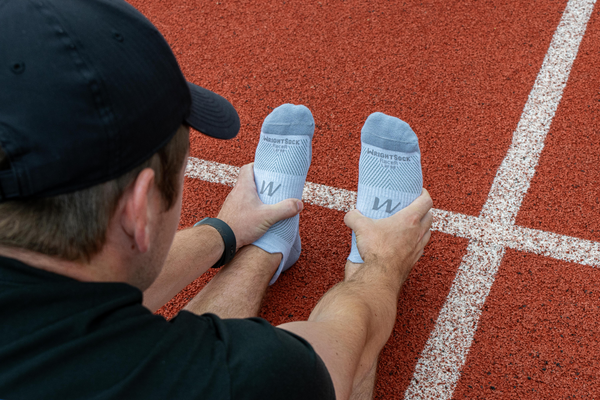
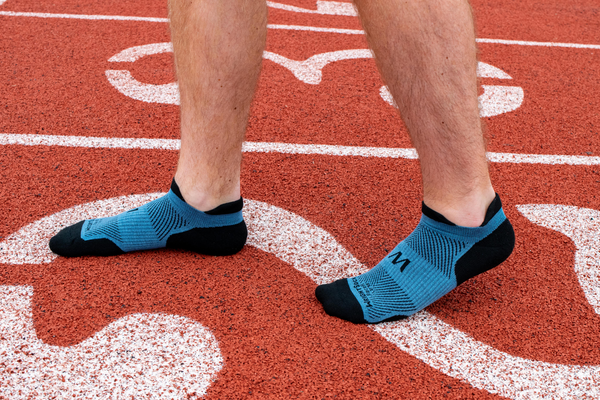
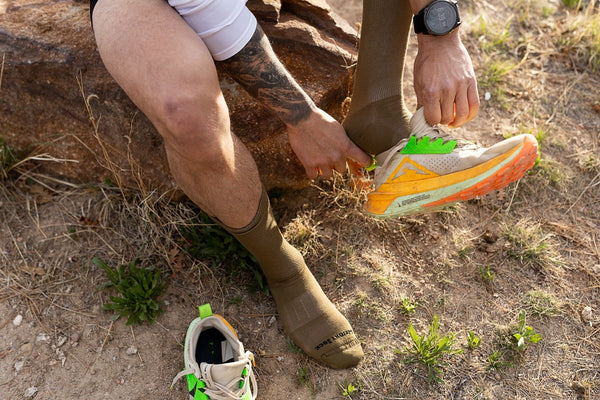
When you want to keep your feet comfortable and protected while you exercise, it doesn’t start with your shoes. Instead, it begins with the first piece of clothing you put on your foot—the sock. Without the right sock, your foot won’t have the best experience inside your shoe. That’s where double-lined socks come in.
The wrong sock choice can cause friction, allow moisture to make a home, and keep heat trapped, leading to discomfort and blisters. If you’ve heard of double-lined socks but aren’t sure what they are, you’re in the right place. Let’s examine how these socks are designed and why they’re beneficial.
Why Use Double-Lined Socks?
Have you ever taken off a pair of shoes because they were irritating your foot? Perhaps there was soreness or a red area on your skin that was sensitive to touch? You probably blamed your shoes for this problem and put them on a shelf, never to be worn again. But the real issue was probably something you’d never consider—you could have picked the wrong pair of socks.
When you walk or run, your feet move around just a bit in your shoes. Naturally, the repetitiveness of the movement generates friction, and friction creates heat. Without socks designed to protect you from friction and heat, your feet will be trapped in a vicious cycle that causes “hot spots.” These hot spots will be sore and red, indicating that a blister is ready to form.
Also, with around 250,000 sweat glands in your feet, it’s pretty easy for your socks to turn your shoes into swimming pools. This excess moisture will soften your feet, causing blisters to form more easily.
Often called double-layer socks, double-lined socks give you an advantage in these situations by neutralizing the main causes of blisters. Some of the primary ways double-lined socks prevent hot spots and blisters include:
- Double-lined socks eliminate friction caused by foot shear
- Double-lined socks reduce heat
- Double-lined socks keep moisture away from your skin
How Double-Lined Socks Are Designed
Double-lined socks have an inner liner surrounded by an outer layer. Instead of allowing your foot to rub against a single layer when walking or running, double-lined socks feature a protective inner layer. This extra layer of defense protects you from the constant friction that single-layer socks suffer from. While the inner layer protects your skin, the outer layer provides more cushioning and eliminates friction generated by foot shear.
The design of these socks is also a little thicker than their single-layer counterparts, but their thickness doesn’t mean you’ll experience extra heat while running or hiking. Instead, the inner layer quickly wicks away moisture to reduce heat and keep your feet at an optimal temperature while you exercise.
Who Uses Double-Lined Socks?
Anyone who cares about the comfort of their feet can benefit from wearing double-lined socks. If you’re prone to foot blisters, don’t hesitate to put on a pair as a guard against them.
Runners and hikers find double-lined socks especially appealing. Running up hills and hiking across miles of trail generate a ton of sweat. That’s why hikers and runners need socks to keep their feet dry and in place. Double-lined socks solve both of these problems.
But commuters can benefit from them, too. Walking to a train or bus station on a hot day will find many commuters in the same predicament as runners and hikers. They can avoid a friction or moisture disaster by making double-lined socks a wardrobe staple.
Choose Wrightsock for Your Double-Lined Socks
Wrightsock has an extensive collection of double-lined socks in our catalog. Whether you’re a runner, hiker, in the military, or just someone concerned about their feet, you can protect your feet with our anti-blister double-lined socks. We have a variety of sizes and lengths to fit your shoes, sneakers, or boots. Since we believe comfortable socks don’t have to be boring, our double-layer socks come in an array of colors and designs.
Check out our selection of Anti-Blister Double-Lined Socks today! If you have any questions, please feel free to contact us.