When choosing the right socks, many factors matter, such as length, length, insulation, and protection. Whether you’re hiking, hunting, running, or working around the yard, certain situations call for different requirements from your socks—which can mean different thicknesses. But sometimes, it can be hard to know what you actually need.
What type of socks are best for mountain hiking in warmer climates? What about for running in the cold? What’s the better choice: thin socks vs thick socks?
Here, we explore the pros and cons of sock thickness so you can always make an informed choice.
Thin Socks
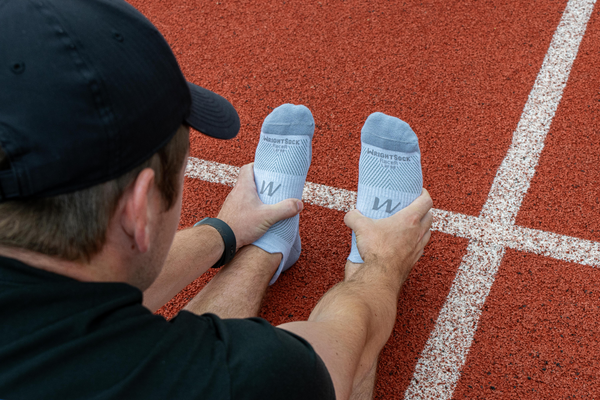
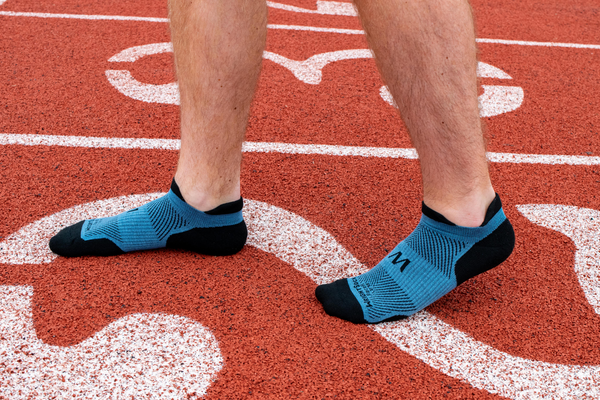
Thin socks are typically lightweight and offer a snug fit, and are common choices for runners, cyclists, gym-goers, and others doing light activity in hotter weather. Here are some of the pros and cons to be aware of:
Pros:
- Breathability: Thin socks allow for better ventilation, keeping your feet cool and preventing excessive sweating.
- Better for Tight Shoes: Thin socks take up less space, making them great for tight track spikes, running shoes, cleats—or even dress shoes, loafers, and flats with a tighter-than-normal fit.
- Quicker Drying: Due to their thinness, these socks absorb less water and dry faster, making them convenient for travelers or individuals on the go.
Cons:
- Less Cushioning: Thin socks lack the extra padding that can protect feet from blisters. If you're engaging in high-impact activities or spending prolonged periods on your feet, thin socks may not offer the necessary cushioning and support.
- Little Insulation: During colder months, thin socks won’t provide enough insulation to keep your feet warm.
- Less Protection From Shoes: While thin socks can more easily fit in those tight-fitting shoes, they don’t offer much protection. If your shoes are prone to pinch or rub, you might find yourself hurting at the end of the day.
Thick Socks
Meanwhile, thick socks are assumed to provide extra cushioning, insulation, and comfort. But is that always the case? Let's delve into the pros and cons.
Pros:
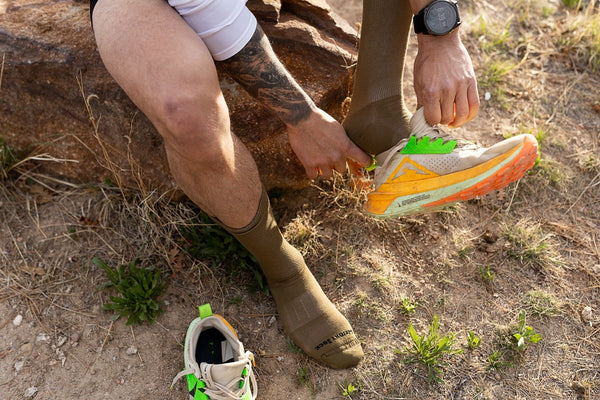
- Superior Insulation: With their extra layers, thick socks are better at trapping heat and keeping your feet warm during cold weather or in chilly environments.
- Enhanced Cushioning: Depending on the quality of your brand, thick socks can offer excellent padding, making them suitable for activities that involve walking, running, or hiking by reducing excess friction.
Cons:
- Limited Breathability: The added thickness of these socks reduces airflow, causing your feet to become hot and uncomfortable, especially in warmer conditions.
- Bulky Fit: Thick socks can make fitting into tight or narrow footwear challenging. They may create a particularly tight fit, leading to discomfort or even circulation issues.
- Extra Absorbent: The extra fabric will absorb additional, meaning extra time to dry, and potentially extra sweaty socks.
- Thicker Doesn’t Always Mean Better Protection: Blisters are caused by a combination of friction and moisture—and thicker socks certainly won’t help keep your feet dry. That can lead to serious blisters on your feet.
The Best of Both: Double-Layer Anti-Blister Socks
You can ask what’s better—thin socks vs thick socks—but why not have the best of both?
Double-layer, anti-blister socks offer the protection of thick socks without any excess heat and fabric. Their unique, moisture-wicking design keeps your feet dry like thin socks. Double-layer socks are perfect for all-around protection from moisture, friction, and blisters.
Whether you’re looking for double-layer socks or minimal-feel ultra-thin single-layer socks, Wrightsock has the products for you. Learn more about our world’s best anti-blister socks and ultra-thin socks, and reach out to us today.