Like most of us, there’s a good chance one of your New Year’s resolutions is upping your fitness game and taking better care of yourself. Whether that’s joining a gym, spending more time outdoors, or working out from the comfort of your home, taking the time to exercise in 2024 is essential for your health and wellness. As you look for tips to stay motivated and achieve your goals, review our top five tips for keeping your fitness New Year’s resolutions.
1. Start Small and Work Up to Larger Goals
When you’re starting any fitness journey, especially at the beginning of a new year, you might feel tempted to begin with huge goals. Whether it’s committing to run a marathon in a few months or cycling hundreds of miles a week, these types of goals often do more harm than good. If you stick to a fitness plan, you can eventually reach these goals, but a large goal can end up discouraging you before you get into a routine.
Instead of committing to a large goal, start smaller. For example, starting with a 5k rather than a marathon can be a great way to set an achievable goal that won’t leave you discouraged. With a few months to prepare for a 5k, you can start by jogging and/or walking a mile a couple of times a week and gradually work up to the full 3.1-mile run. Once you achieve this goal, you’ll be more motivated and prepared to work up to the next fitness milestone.
2. JOIN A GROUP OR ASK A FRIEND TO HOLD YOU ACCOUNTABLE
People often think that they have to achieve their fitness goals on their own, but having people hold you accountable can be a great way to keep you motivated. If you have a friend who wants to start exercising or is already a gym rat, set up times to work out together, as the camaraderie of it can give you an extra reason to get out in the cold winter air. On days you exercise separately, stay in contact and share your results to maintain accountability.
Another way you can achieve your goals and create a sense of community while exercising is to join a group. You can likely find plenty of hiking, cycling, or running groups with friendly people of all experience levels in your area. The more seasoned group members can help you learn the ropes, and watching the progress of newer members can be an excellent motivation to push yourself as well. The community aspect of the group can also keep you accountable and incentivize you to keep exercising even if it’s difficult in the beginning.
3. PRIORITIZE YOUR SAFETY
One of the hardest obstacles to overcome in starting a new fitness journey is finding the time. Many of us work long hours, and some of us are up before dawn. For this reason, many exercise before the sun rises or later in the evening after work. Since you’ll begin your fitness journey during the darkest months of the year, it’s crucial you prioritize your safety. If drivers can’t see you in the early morning or evening, you’re more likely to get injured.
Instead of throwing on your standard pair of clothes and workout gear, you’ll want to invest in reflective clothing that makes you visible to others, especially those behind the wheel. For example, you might want to pair a reflective hoodie with Run Reflective socks to ensure you’re visible from head to toe while you’re out on a run. By making yourself more visible, you’ll be at a lower risk of injury, making it easier to stick to your New Year’s fitness resolutions.
4. INVEST IN GEAR FOR THE WINTER
While many runners take their workout indoors this time of year, the truth is that not all of us have access to an elliptical, and many don’t have gym memberships. The new year begins with some of the coldest months of the year, and if you live in a colder climate, it’s important to invest in clothes that will keep you warm. If you’re not comfortable while you’re exercising in the outdoors, you’re more likely to give up your fitness plans for the comforts of your warm bed.
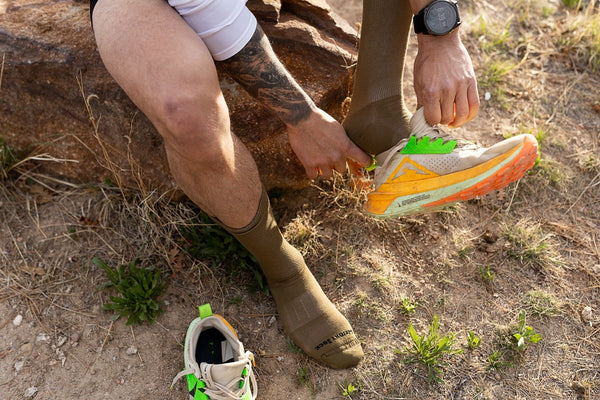
The right winter gear will vary based on your preferred type of exercise, but you’ll likely want to aim for warmer gear. For example, runners might prefer to run in specialty running pants rather than shorts, a lightweight hoodie, and a pair of double-layer Winter Run socks. Research your particular type of exercise and the right clothes for it to ensure you’re comfortable and warm while exercising.
5. Avoid Blister With a Pair of Double-Layer Socks
It’s essential to have the right gear in making resolutions for the year ahead. While some equipment might seem obvious, such as gym shorts, sweatpants, hoodies, and running sneakers, socks often get overlooked. Blisters, poor fits, and low-quality material can be a major distraction while you’re exercising and even cause you to give up your fitness goals. Instead of letting poorly made socks get the best of you (and your New Year’s fitness resolutions!), you can invest in a pair of double-layer socks.
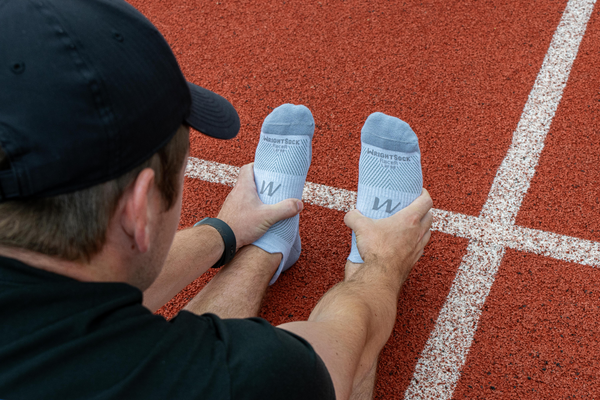
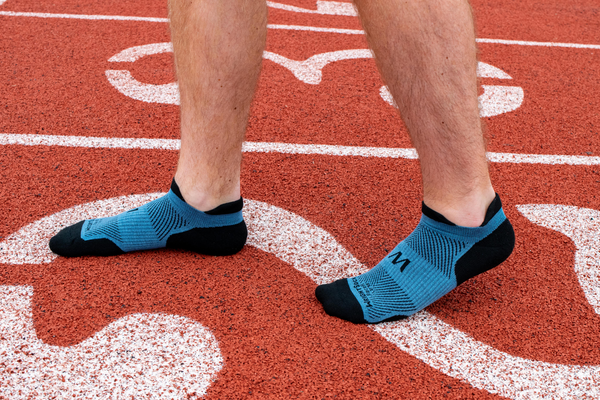
Double-layer socks are designed to eliminate the three leading causes of blisters: friction, heat, and excessive moisture, which are bound to happen when you’re running, hiking, or walking. By targeting the three main causes of blisters, these types of socks can keep you focused on achieving your fitness goals. Additionally, double-layer socks from Wrightsock are made with high-quality materials and come in multiple sizes to ensure you can find a pair that fits perfectly.
WRIGHTSOCK: THE ANTI-BLISTER SOCKS TO GET YOU UP AND RUNNING
At Wrightsock, we’re excited to help you meet your New Year’s fitness resolutions with double-layer socks that will keep your feet protected and warm over the winter. We’re so confident in the anti-blister performance of our double-layer socks that we back every pair with our blister-free guarantee, meaning you can receive a complete refund if you get a blister while wearing them. Our family-run business is also proud of our eco-friendly practices that ensure you receive a durable pair of socks made from environmentally friendly materials.
Browse our full selection of double-layer socks today. For any questions, comments, or concerns, don’t hesitate to reach out!