With the warmer weather, it’s a great time to grab your bike and hit the trails. But remember that hot weather produces its own unique challenges for cyclists.
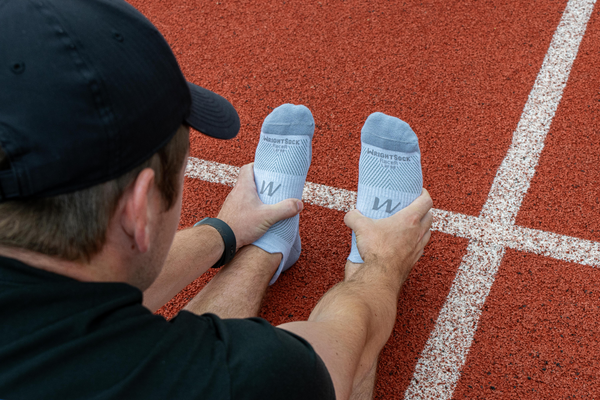
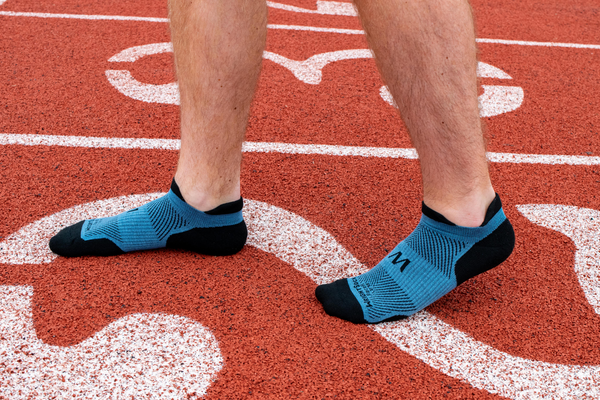
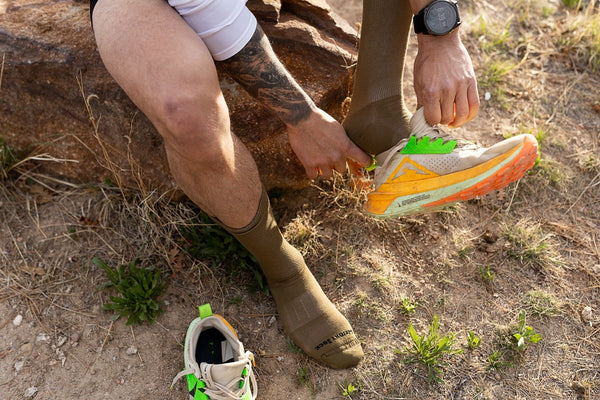
Any good ride begins with proper equipment, which means it’s important to have the right blister free socks for your feet. That’s why we put together this guide for how to select the right pair of cycling socks!
Blister Free Socks
The first thing cyclists should look for is a pair of anti blister socks. To be frank, nothing else matters about socks if they aren’t giving you proper protection from blisters.
Cyclists are often well-acquainted with blisters. After all, cycling’s combination of repetitive high-intensity motions (and, well, sweaty feet) leads to the perfect conditions for blisters to form. And any serious cyclist knows: blisters can ruin an otherwise great ride.
That’s why it’s important to equip yourself with anti blister socks. Not every sock is blister free. You should seek out socks with materials that reduce and wick away sweat, and that keep your feet protected and cool.
A Good Fit With Your Cycling Shoes
In order to maximize grip on the pedals, cycling shoes tend to be far tighter than typical shoes. That can mean a tight fit for thicker socks. Even fitting your feet into your shoes can be a trick! Your cycling socks should fit your cycling shoes accordingly.
Cycling socks should be slim to fit in your cycling shoes. But they also need to be strong and padded to protect your feet from blisters. The perfect cycling socks blend both those qualities, being specially designed for the needs and rigors of cycling.
Women’s Cycling Socks vs Men’s Cycling Socks
Whether you’re in the market for women’s cycling socks or cycling socks for men, your socks have the same, basic requirements. They need to protect your feet from blisters, while remaining slim enough to fit in your cycling shoes. They need to keep your feet cool while wicking away excess sweat.
Sometimes, female cyclists find that women’s cycling socks of lesser brands don’t provide them the level of protection they need. Because of that, they seek out men’s cycling socks. But then, they find the excess fabric bunches at their heels, causing even more problems.
When it comes to cycling socks for men and women, brands like Wrightsock have you covered. Our men’s cycling socks and women’s cycling socks are both produced from top-of-the-line, durable materials. And they’ll give you all the protection you need for the rigorous trail ahead, with the sizing that’s perfect for your feet.
Wrightsock’s Cycling Socks
At Wrightsock, we know anti blister socks. And as cyclists ourselves, we know what we need from our cycling socks. With top-of the line, sustainable materials and a variety of designs and styles, we’re confident we have the perfect cycling socks for you. Check out our selection of men’s and women’s cycling socks.
Whether it’s for running, hiking, hunting, or whatever you plan to do in them–we have the right anti blister socks for you. If you have any questions about any of our products, reach out and contact us today!