When you’re out competing on a field or court, the last thing you want to think about is your socks. However, a bad pair of socks can harm your performance and cause your feet to blister, distracting you from the game. With a great pair of socks designed for the sport you love, you can stay focused on your match and perform at your best. As you look for the right socks to buy, it’s important you know the main factors you’ll want to consider when choosing socks for your particular sport.
5 Tips for Choosing Socks for Sports
While the socks you wear to play basketball are probably a great choice for tennis or racquetball, they’re not usually the best choice for competitive skiing or snowboarding. Whether you’re looking for performance running socks for competitive runs or knee-high socks for soccer, you can find a pair of performance-boosting socks by following the four tips below:
1. Pay Attention to the Sock’s Material
One of the first things you’ll want to watch out for when purchasing a pair of socks for sports is the material. Since most sports will cause your feet to sweat more than normal, you’ll almost always want to avoid socks made out of cotton. While low-cotton blends can be okay, socks made mostly out of cotton will trap moisture and lead to blisters. Like cotton, socks made out of pure wool will also trap moisture, and athletes should avoid them.
Instead of cotton, you’ll want to use socks made out of more breathable fabrics, such as nylon, acrylic, or merino wool. Nylon and acrylic are synthetic materials that dry relativity quickly and improve a sock’s durability, making them a great choice for most sports. Additionally, while most wool isn’t good for sports, Merino wool offers exceptional breathability, cushioning, durability, moisture-wicking, and odor resistance. You can wear lightweight Merino wool socks for most sports, including basketball, soccer, football, tennis, and skiing.
2. Select the Right Sock Height for Your Sport
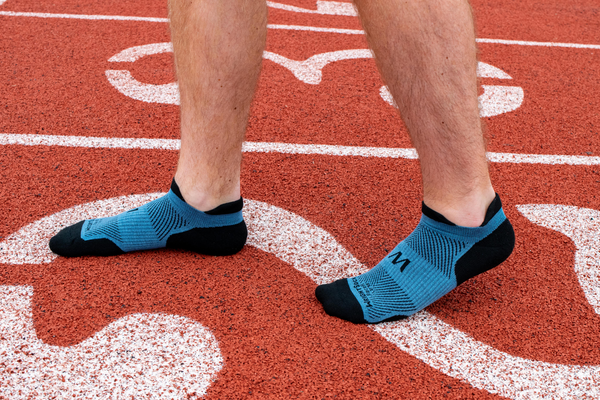
After you find socks made from the right material, you’ll need to decide on the right sock height. Typically, athletic ankle socks are great for low-top shoes and cleats, making them a good choice for football, soccer, and tennis. However, if you wear high-top shoes for basketball or another sport, you’ll want to stick to crew socks, as shorter socks won’t cover enough of your ankle and could cause your shoe to rub against your exposed skin.
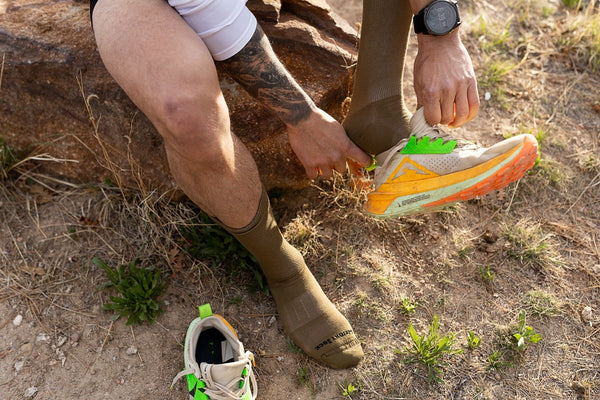
While crew and ankle socks are great for most sports, you might also want to consider calf-length or knee-high socks if you enjoy winter sports. Since these socks go up to your calf or knee, they provide additional warmth and protection from the elements. Besides wearing them to ski or snowboard, you might wear longer socks during sports like football or soccer to protect your legs while you slide or secure your shin guards in place.
3. Consider the Thickness of the Sock
Another key factor you’ll want to consider when purchasing athletic socks is how thick you’ll want the sock to be. Typically, thinner socks provide better breathability and are much less noticeable while you run. In contrast, thicker socks will offer more protection and comfort.
As a result, you’ll likely want to go with a thinner sock for short-term sports, such as quick sprints, and thicker socks when you plan to play for a longer amount of time. However, if you cycle competitively or play another sport with extra tight shoes, you’ll likely want to wear thinner socks, even when you’re planning on cycling for a long time.
4. Ensure Your Sports Socks Have Moisture-Wicking and Anti-Blister Features
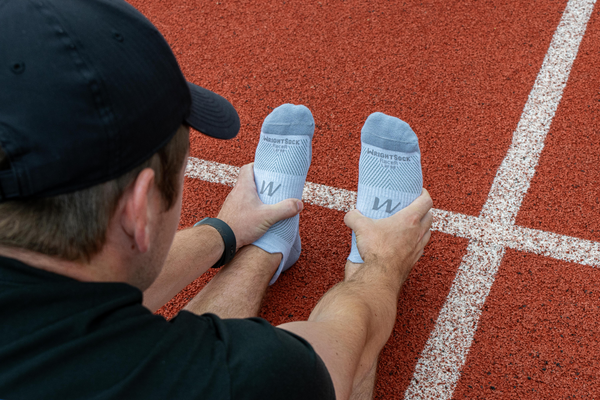
Just like how you’ll want to avoid cotton and pick more breathable fabrics, you’ll want to look for socks with moisture-wicking and anti-blister features. For example, Double Layer socks from Wrighstock feature an inside sock and outside sock that wicks away moisture from your feet. This double-layer design also reduces heat on your skin, helping your feet not overheat or sweat excessively while you play your favorite sport.
Wrightsock’s Double Layer socks also eliminate blisters by absorbing the friction that normally passes to your skin’s outer layer. All these features combine to prevent blisters normally caused by moisture, heat, and friction.
5. Review Specific Sock Guides for Each Sport
While you can use the general tips above to help you find the right athletic socks, you might want more information about socks for your specific sport. Below, you can find a list of links to our guides for specific sports:
- Football socks guide
- Rugby socks guide
- Track socks guide
- Baseball socks guide
- Snowboarding socks guide
- Skiing socks guide
- Horseback riding socks guide
- Hunting socks guide
- Golf socks guide
- Cycling socks guide
- Running socks guide
Choose Wrightsock for Your Next Pair of Anti-Blister Sports Socks
At Wrightsock, we’re proud to provide athletes with Double Layer socks designed to stop blisters in their tracks, wick away moisture, and reduce friction. Since we stand by the quality of our double-layer socks, we offer an anti-blister guarantee for them and a 100% satisfaction guarantee for all our socks.
Browse our selection of sports socks today.