When investing in a pair of blister-free socks, you will want to ensure you have all of the details about your purchase before buying. The professionals at Wrightsock are here to answer all of your questions about anti-blister socks.
How Do Anti-Blister Socks Work?
Blisters are largely attributed to three factors: Friction, Heat, and Moisture. Blister-free socks work in a few different ways to combat these challenges—depending on the brand and style you choose.
Some socks grip tighter to your feet to prevent friction. Other socks may focus more on moisture-wicking or heat prevention. Here at Wrightsock, our patented Double-Layer™ sock technology works from every angle by absorbing the friction, moisture, and heat that causes blisters. You can read more about how anti-blister socks work here.
Which Sock Materials Are Best for Blister Prevention?
Sock materials make all of the difference when it comes to blister prevention. Cotton socks are perhaps the most notorious for causing blisters. They hold in heat and moisture while elevating friction levels—creating a perfect storm for blisters.
- Merino Wool: Merino wool socks are perfect for preventing blisters and providing comfort. While they can be worn year-round, they are especially suited for activities in cooler temperatures.
- Performance Socks: A curated blend of polyester, nylon, and sometimes Lycra® is often used in performance socks to wick away moisture and provide high-quality protection without any extra bulk.
- Eco-Friendly Socks: For more sustainable options, you can find socks made using soft, strong, and protective materials like REPREVE® recycled yarn and Recover RWool®—as seen in the Wrightsock ECO line.
What is the Difference Between Running, Hiking, and Other Blister-Free Socks?
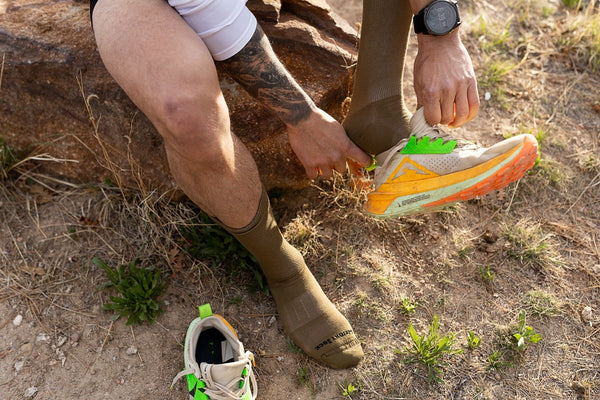
Truthfully, anti-blister socks are often universal for different activities. A single pair of blister-free socks can easily be used for sports, running, walking, hiking, and more. However, certain sock features may be more suitable for different activities and environments. For example, hiking socks are often longer to accommodate hiking boots and shoes while adding protection for your ankles from tree roots and bugs. Meanwhile, running socks are tailored in length for running shoes and designed with performance in mind.
You might also find specific blister-free socks to meet military regulations or postal guidelines. These variations offer the same blister-free results with the coloring, length, and logo placement tailored to meet the needs of the industry.
Which Sock Length is Right for Me?
Sock length is about functionality for some people and style for others. So which sock length is right for you? Find the details you are looking for here:
- Crew Socks: Crew-length socks are the tallest standard length. These socks generally reach the bottom of your calf muscle—depending on your height and your sock size.
- Quarter Socks: Quarter-length socks generally rest right above your ankle bone. These socks are perfect for keeping your ankles protected.
- Lo Quarter Socks: Taller than ankle socks but shorter than quarter-length socks, lo quarter-length socks will rest just on or below your ankle bone.
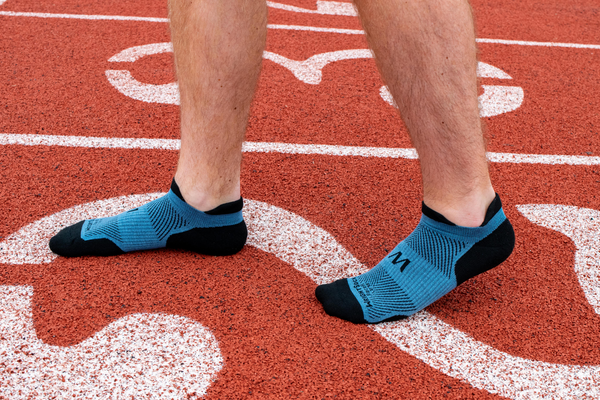
- Tab-Style: The tab style is our lowest cut here at Wrightsock. These anti-blister ankle-length socks generally reach just above the top of a running shoe profile.
Will Anti-Blister Socks Work For Me?
Blister-free socks are designed to stop blisters at their source. Most individuals find that anti-blister socks work for ending their blister struggles.
However, in certain situations, they can only do so much. For example, if you are wearing the wrong size sock, you might still blister—even while wearing the best brands. Underlying health conditions may also make you more prone to blistering. At Wrightsock, we offer a Blister-Free Guarantee. If our anti-blister socks don’t work for you, you can return them for a full refund.
Are Blister-Free Socks Made for Kids?
Do kids need blister-free socks? Yes! Anti-blister socks are an ideal solution for all ages—including children. Kids tend to have sensitive skin, making anti-blister socks a must-have. This is especially true while on hikes, during sports, or when breaking in new shoes.
Anti-Blister Socks from Wrightsock
If you have questions about Wrightsock, you can head on over to our FAQ page or contact our professionals directly. We also offer a sizing chart for finding your perfect pair here. Find out why we are named on the list of best anti-blister socks by Bustle, Train for a 5K, and others by ordering yours today!