When baseball season starts, it’s essential to ensure you have the right gear, from cleats, to your uniform, to your hat. However, when it comes to baseball socks, finding the right gear can sometimes be a little confusing.
In this guide, we’ll provide some tips for parents and players that will help you understand some common league uniform regulations and what you should be looking for in a pair of high-quality baseball socks.
3 Common Youth League Guidelines for Socks
In youth baseball, consistency with uniforms throughout the team is key. Each league will have its own set of guidelines, and it’s important to check with either your child’s team manager to make sure you’re buying the right equipment. Before you purchase a pair of socks for your child, review some of the most common rules that may apply to your child’s uniforms:
1. Uniform Consistency
Most leagues require all of the players on a team to have a consistent uniform. These uniform consistency requirements typically require players to wear the same color socks, belts, hats, pants, and jerseys. While the league usually provides the hats and jerseys, parents are often responsible for the rest of the gear.
Depending on what uniforms your child’s Little League uses, you may end up looking for socks that have more obscure colors. Red, navy, and black baseball socks should all be pretty easy to find, but if you’re looking for orange baseball socks or pink baseball socks, you might have to look for a more specialized retailer.
2. Sock Type and Length
Many baseball leagues require stirrup socks that cover a player’s entire calf. Stirrup socks that cover the calf are usually required for safety reasons, as they provide greater protection while a runner slides onto a base or an outfielder leaps for a ball. Alongside protecting a player’s legs, stirrup socks allow players to wear their pants either high or low and still have full coverage. Even if your league doesn’t require stirrup socks, it’s best to go with them (if allowed by the league), as the socks need to be long enough to protect a player’s legs while sliding.
While stirrup socks protect a player’s calves, they don’t cover much of the foot, as a thin strap from the sock only wraps around a portion of a player’s foot. Due to the lack of foot protection, players will also need to wear a second pair of socks underneath the stirrup socks. Typically, leagues provide far more leeway on the socks worn underneath stirrup socks, so they can be whatever length you want as long as they’re not visible. For that reason, many baseball players opt for performance socks, such as anti-blister socks to prevent cleat blisters.
3. Safety Standards
Socks shouldn’t be altered in any way, as they could violate your league’s safety standards. Besides violating uniform policies your league likely has, customizing socks with designs or other materials can also potentially be a safety hazard while sliding or running. To make sure your child is safe and their socks comply with any standards set by the league, avoid making any alterations to the socks you buy.
5 Features to Look for in Baseball Socks
A good pair of baseball socks will protect the wearer’s feet from blisters, prevent them from overheating, wick away moisture, and provide enough cushioning to keep players comfortable when they’re out on the diamond. Here are a few qualities to look for in baseball socks that can help ward off blisters and keep a player’s feet comfortable:
- Moisture-Wicking Fabric: Since players are likely to sweat while playing, socks that wick away moisture are essential to preventing damp and smelly feet. Socks made out of Merino wool and synthetic material often excel at drawing sweat away from the feet, ensuring comfortability and reducing the chance that blisters will form due to dampness.
- Extra Cushioning: Extra padding in high-friction areas like the balls of the feet and the heels can be crucial for folks who get uncomfortable in baseball cleats. If your league allows socks that have a little extra padding, it may be worth investing in a pair of socks that will be a bit more comfortable.
- Breathability: Socks with more ventilation will keep feet cool and dry during games on hot days. Nobody wants their feet to be drenched halfway through a game, so socks designed with breathability in mind are a great choice.
- Durability: Baseball socks can take a beating throughout the season, especially when a player regularly slides onto base. When you’re buying socks, make sure they have a track record of lasting a long time and are made in America to ensure quality and durability.
- Double-Layer Design: While you’ll probably need to wear single-layer stirrup socks to meet your league’s requirements during games, you can up your blister protection and protect your feet by wearing a double-layer sock under your stirrup socks. With a double-layer sock, the inner layer wicks away sweat and keeps feet cool, while the outer layer prevents friction. By reducing excess moisture, heat, and friction, double-layer socks eliminate the three main causes of blisters, ensuring players aren’t distracted by painful blisters in a game or practice.
Choose Wrightsock for Anti-Blister Baseball Socks
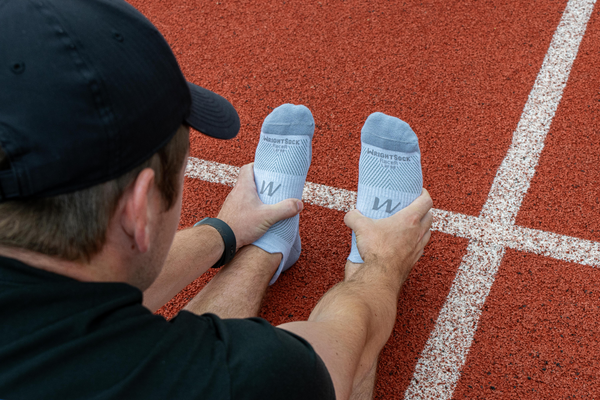
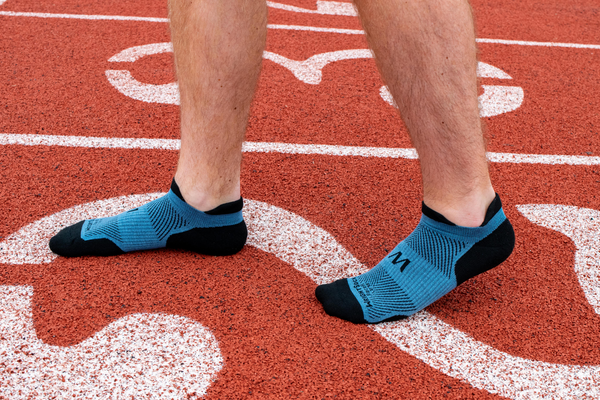
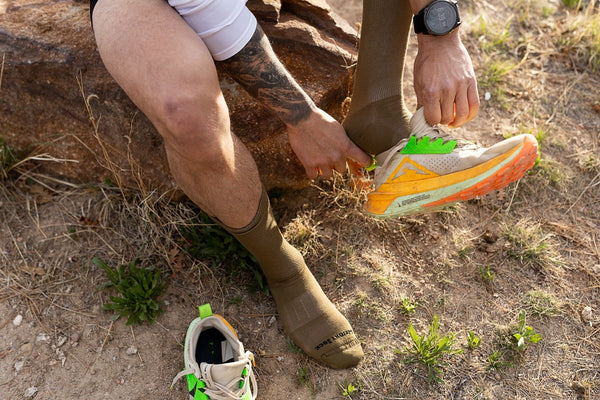
If you’re shopping for a quality pair of anti-blister baseball socks, choose Wrightsock. We offer a wide range of supportive socks manufactured to the highest standard, and our anti-blister socks are designed for all types of weather. At practice, our Coolmesh II Over the Calf Socks are perfect as they offer comfort, breathability, a knee-high length, and padding without sacrificing what makes our anti-blister socks so great. Our CoolMesh II collection also features plenty of shorter socks that you can wear underneath your stirrup socks during a game.
Review our collection of elite sports socks today.