If you’ve recently bought a new pair of hiking boots, you may be thinking about the miles you’ll walk and the adventures you’ll have in them. While it’s great to start planning your next excursion with your new boots in mind, knowing how to prevent blisters from new shoes is essential. Fortunately, with a little know-how and a few quick fixes, you can easily break in your boots before you hit the trails.
How to Prevent Blisters from New Hiking Boots
When you break in your boots before going on a long hike, you can avoid a trek full of blisters and sore feet. Though new hiking boots often cause blisters, they don’t have to if you take the time to ensure they’re comfortable. As you prepare for the trail, check out our top five tips for how to break in new hiking boots and prevent blisters.
1. A Gradual Introduction
A gradual introduction is one of the best ways to break in new hiking boots. You don’t want to take your boots out of the box and head out for a 10-mile hike through the mountains. If you do, you’re setting yourself for feet riddled with blisters and a painful next few days of walking around.
Instead, start by wearing your boots for short periods while doing everyday activities. You can wear your new hiking boots while doing chores around the house or running short errands and then taking them off to give your feet a break.
As you gradually increase the time you wear the boots, they will shape to your feet. When you eventually head out on that hike you’ve been waiting for, the boots will be shaped to your feet, and you won’t be dealing with nasty blisters on your way back to the trailhead.
2. Boot Stretching
If your new boots take a little longer to break in, it might be worth considering some stretching techniques to get to that perfect fit. One option is a boot stretcher, a tool made specifically for the purpose of stretching out all different types of boots. Stretchers can be purchased online and at many major retailers. Boot stretchers are good if you want to get a jump start on breaking your boots in without having to wear them around during the early stages.
If you want a more DIY approach, you can also try stuffing the boots with material in specific spots that are particularly tight. Both bundled socks and crumpled newspaper are viable options for stretching your boots, and this approach can give you a more precise stretch.
3. Heat Application
Another way to drastically speed up the time it takes to break in new boots is to use heat to soften the leather. When leather is soft, it becomes more pliable and comfortable, making it easier for your boots to mold themselves to your foot shape comfortably.
A simple hairdryer is all you need to heat your new boots! Use the dryer to heat the entire boot or specific parts that are a little more stubborn. Once the boot is heated, flex them and wear them around for a bit so that they start to conform to your feet.
4. Take Short Hikes Initially
Shorter hikes earlier in your boots' lifespan can save you a lot of foot pain in the long run. After your boots have gotten comfortable enough to wear for an entire day around town, take them out for a shorter, low-intensity hike. A shorter hike allows your feet to adjust to the boots and vice versa.
Be sure to pay particular attention to painful spots or hot spots in your new boots on these early hikes. If you have any areas in your new boots that are particularly bothersome, you can use the earlier techniques in this article to shape them into a perfect fit.
5. Wearing Proper Socks
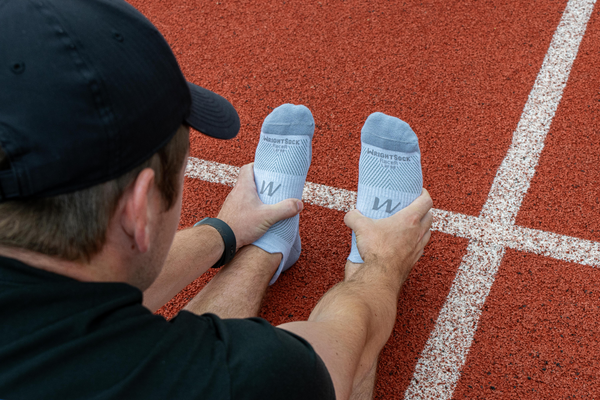
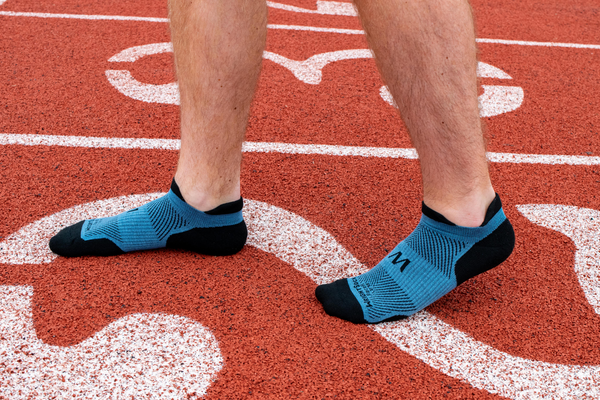
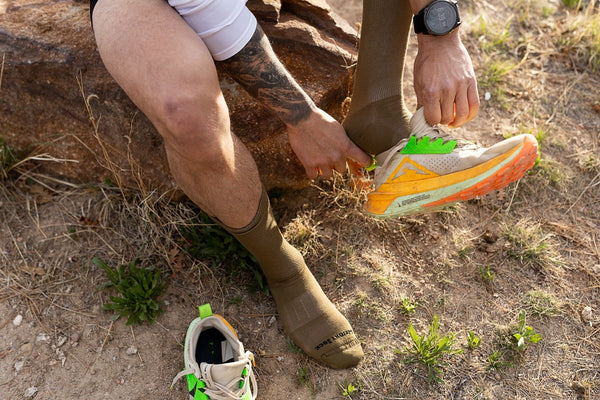
Proper sock choice is crucial for breaking in a new pair of hiking boots. If you’re wearing improper socks while trying to break in your new boots, there is a much higher chance that you’ll end up with painful blisters.
You should opt for a pair of socks that provide moisture-wicking so that your feet will stay dry. Sweaty feet are notorious for causing blisters, so keeping your feet free from perspiration should be a top priority when breaking in your boots and for hiking sock choices in general. Merino wool is the preferred material for hiking socks, as it provides moisture-wicking while still being breathable enough to use in hot weather.
Cushioning is another quality you should be looking for in a pair of hiking socks. The extra padding, along with the moisture-wicking, is a good recipe for blister-free feet. You’ll also want to wear your hiking socks while breaking in your boots, as it will ensure they’ll fit right in your boots when you take them on a long hike.
Wrightsock Can Help You Get a Perfect Fit!
Now that you know how to prevent blisters from shoes and break in hiking boots, it’s time to pick a pair of socks you can trust to keep your feet safe. At Wrightsock, we offer a wide selection of anti-blister socks designed for all different types of environments. Whether you’re heading out to the desert or the mountains, we have a pair of socks to keep you comfortable. Our double-layer socks are also backed by our No Blister Guarantee. It’s how we made a name for ourselves, and we stand by it 100% or your money back.
Browse our selection of double-layer hiking socks today.