Alpinism, mountain climbing, mountaineering—there are various names for one of the most physically demanding and rewarding outdoor activities. But no matter what you call it, mountain climbers require the best equipment for their mountain excursions.
A few good pairs of mountaineering socks are an essential part of a mountain climber’s equipment. Any hiker or climber who has dealt with painful foot blisters knows how vital proper foot care is. As you prepare for your next climbing adventure, learn more about how certain socks can protect you from blisters and some answers to frequently asked questions about mountain socks.
What Are Mountain Socks?
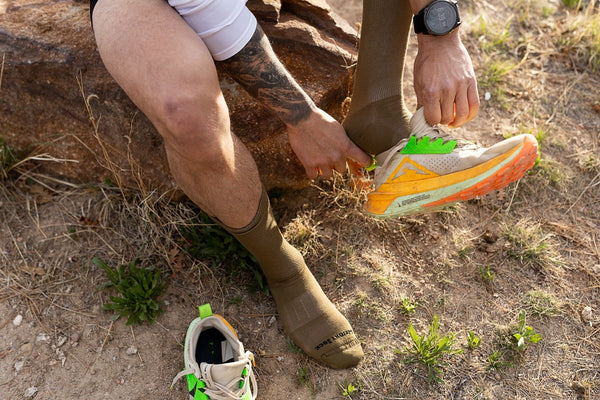
Often called hiking socks, mountain socks are a type of sock designed for rugged outdoor activities. Typically, these socks are designed with a thicker construction and feature specialty cushioning to keep your feet comfortable while hiking and mountain climbing. They also often feature temperature-regulating qualities to keep your feet warm in the winter and cool in the summer.
Why Are Hiking Socks Different?
Unlike standard socks, hiking or mountaineering socks offer various features designed for rigorous outdoor activities. For example, hiking socks usually have extra padding, moisture-wicking features, and greater arch support, while standard socks tend not to have these qualities. Additionally, mountaineering socks are often built with reinforced seams and longer-lasting materials to improve their durability.
Additionally, hiking socks aren’t usually manufactured from one fabric. Instead, they tend to feature a blend of fabrics, such as Merino wool and polyester blends, to ensure the socks are moisture-wicking, breathable, warm, durable, and comfortable.
Are Thin or Thick Socks Better for Mountaineering?
Due to the more rigorous nature of mountaineering, it’s often better to choose a pair of thick socks. While thin socks can be great for a number of activities, thick socks are the best for mountaineering since they tend to hold up longer, provide greater cushioning, and keep your feet warm when mountaineering in the winter. However, if you like mountaineering in the summer, you may want to try slightly thinner hiking socks with light cushioning, as these socks tend to keep feet cooler.
What Socks Do Mountaineers Wear?
Mountaineers typically wear hiking socks to keep their feet comfortable during a long day of climbing and hiking. However, mountaineers who want the greatest protection from blisters and discomfort while out on a mountain will want double-layer, anti-blister hiking socks.
5 Ways Anti-Blister Socks Can Help Mountain Climbers
Mountain climbers need the best blister-proof outdoor socks, and anti-blister socks can give them the extra bit of protection they need to climb longer and not be distracted by painful blisters. Find out more about the five main ways anti-blister socks can help mountaineers below:
1. Blister-Proof Sock Technology Minimizes Friction
Double-layer anti-blister mountaineering socks are designed to minimize the friction that leads to blister formation. The inner and outer layers of the socks work in tandem to prevent the hotspots that often form with traditional single-layer socks.
With an activity as rigorous as mountaineering, climbers need anti-blister outdoor socks that work just as hard—and that’s what they’ll get with anti-blister mountaineering socks.
2. Enhanced Moisture Wicking
Weather can be unpredictable on mountain trails, and mountaineers need outdoor socks that won’t retain moisture. Anti-blister mountaineering socks are quick-dry and wick away excess moisture as you wear them, preventing feet from becoming soft, pruney, and susceptible to blisters.
Additionally, they’re equally adept at wicking away the excess sweat that comes from the hard work of mountain climbing! That way, you'll remain protected no matter how hard you work on the mountain.
3. Two-Sock Protection—Without the Excess Fabric
Double-layer anti-blister socks provide all the protection of two pairs of socks, but they can still fit into snug pairs of climbing shoes or boots. Don’t worry about climbing with all that extra fabric—climbing mountains is hard enough without dealing with uncomfortable feet.
4. Greater Durability
Mountain climbing is equally tough on people’s bodies and equipment. Mountaineers need the most durable gear that will stand up to all the rigors of their climb.
Fortunately, the best anti-blister outdoor socks, like Wrightsock’s Cushion socks, are made with the best, long-lasting materials that climbers can rely on.
5. Better Performance
When their feet are comfortable, mountaineers can perform at their best. Blister-proof outdoor socks play a valuable role by keeping their feet dry and cushioned. By preventing performance-inhibiting blisters, they minimize the risk of potential infection and other injuries that will keep mountaineers stuck at home.
With anti-blister mountaineering socks, push yourself harder and reach new heights!
Wrightsock: The Best Blister-Proof Mountaineering Socks
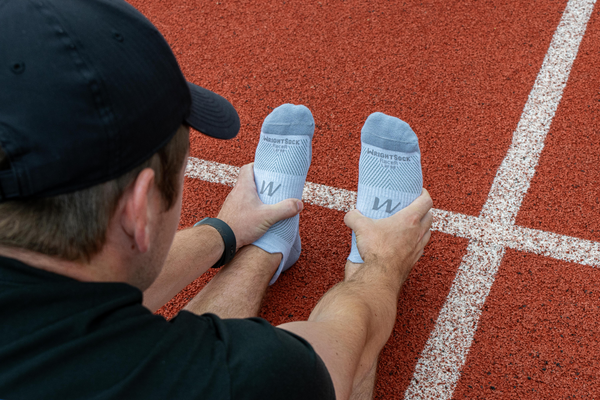
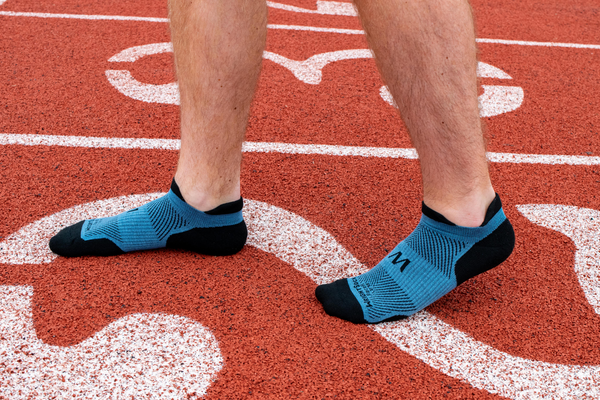
Wrightsock proudly offers the best anti-blister outdoor socks for whatever adventure you plan next. Our Adventure Crew socks and Endurance Quarter socks are the perfect options for hikers looking to keep their feet protected throughout their mountain climbs. Our blister-proof socks are made in the USA and use sustainable materials to protect the planet’s natural resources just as they protect your feet. Our double-layer socks are also covered by our 100% blister-proof guarantee, meaning we’ll give you your money back if you develop a blister while wearing them.
Review our selection of hiking and mountaineering socks today. If you have any questions or want help selecting your next pair of mountaineering socks, please reach out to us.