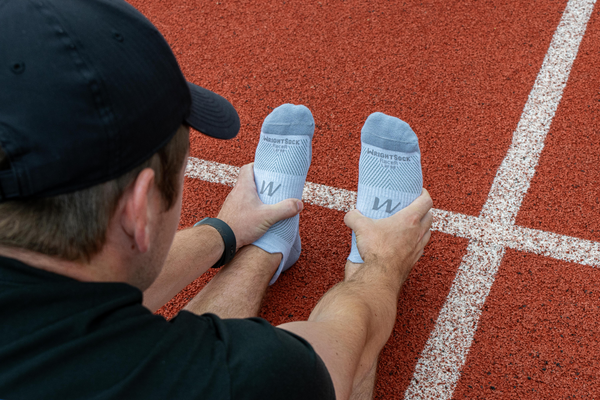
Sweaty feet create the perfect environment for odor, friction, and blisters. During workouts, long shifts, travel, or hot weather, they create the perfect environment for odor, friction, and blisters. When heat and moisture get trapped inside your shoes, your skin softens and irritation follows.
Breathable socks are designed to break that cycle. By improving airflow and managing moisture, they help keep your feet dry and more comfortable all day. The right pair of cooling socks can significantly improve ventilation inside your footwear.
What Are Breathable Socks?
Breathable socks are socks designed to promote airflow while moving moisture away from your skin.1 Instead of trapping heat like heavy cotton, they use moisture-wicking fibers and ventilated construction to maintain a cooler, drier environment.
Many designs incorporate mesh panels or open-knit zones in high-sweat areas. The goal is simple: regulate temperature, reduce moisture buildup, and improve overall comfort.
How They Work
Breathable socks rely on two key functions.
First, moisture-wicking fibers pull sweat away from your skin toward the outer layer of the sock, where it can evaporate more quickly. This helps keep your feet dry instead of damp.
Second, ventilation zones allow heat to escape. Open-weave construction encourages air circulation inside your shoes, reducing heat buildup and minimizing friction caused by wet fabric. The result is better temperature control and fewer irritation points.

Benefits of Breathable Socks
When your feet stay cooler and drier, performance and comfort improve noticeably.
1. Better Temperature Control
Feet generate significant heat during movement. Breathable construction allows excess warmth to escape rather than building up inside your footwear.
This helps reduce “hot spots,” especially during high-impact activities like running, hiking, or long work shifts. Consistent airflow keeps feet feeling more balanced in warm conditions.
2. Moisture Management & Odor Reduction
Moisture creates the ideal environment for odor-causing bacteria.2 When socks trap sweat, feet stay damp and uncomfortable.
Breathable, moisture-wicking socks help keep your feet dry, which naturally limits odor and improves freshness throughout the day. If overheating is a regular issue, you can also look into how to keep feet cool while running for additional tips.
3. Fewer Blisters
Blisters form when moisture and friction combine. Damp skin becomes more vulnerable to rubbing inside shoes.
By reducing excess moisture and improving airflow, breathable socks help lower blister risk, especially during repetitive motion.3 Some designs go a step further by incorporating double-layer construction for added friction control.
Breathable Socks vs. Regular Socks: What’s the Difference?
Not all socks are built the same. Both materials and construction determine real breathability.
Fabric Differences
Breathable socks often use synthetic performance blends such as polyester or nylon, along with merino wool in some cases. These fibers move moisture away from the skin and dry quickly.4
Traditional cotton absorbs sweat but holds onto it, leaving feet damp. Heavy fabrics also trap heat, making them less suitable for high-heat or high-activity situations.
Construction & Design
Construction matters just as much as fiber content. Ventilation panels across the top of the foot, lightweight knit patterns, and smooth seam placement all improve airflow and reduce irritation.
Some breathable socks also incorporate advanced designs that enhance both moisture management and friction reduction.
Should You Choose Double-Layer Breathable Socks?
For those prone to blisters, double-layer construction offers an added level of protection.
What Is Double-Layer Construction?
Instead of one layer rubbing against your skin, two thin layers move against each other. Friction occurs between the layers rather than against your foot.
When built with lightweight, breathable materials, double-layer socks may feel more comfortable and can help reduce friction, potentially lowering the chance of blisters, making them a practical option for anyone considering whether they should wear double socks for added comfort and protection.
How to Choose the Best Breathable Socks
Selecting the right pair depends on materials, construction, and activity level.
Look for Moisture-Wicking Fabrics
Choose synthetic performance blends or merino wool designed to transport sweat away from your skin. Avoid thick cotton socks in high-heat settings, as they retain moisture.
Check for Mesh Ventilation Zones
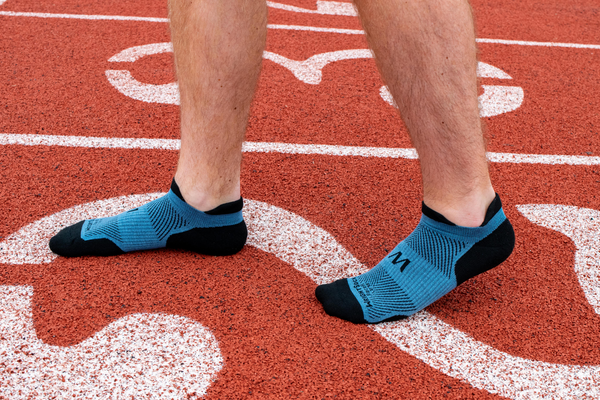
Look for mesh panels across the top of the foot or targeted open-knit areas in high-sweat zones. These features significantly improve airflow compared to uniformly dense fabric.
Consider Your Activity Level
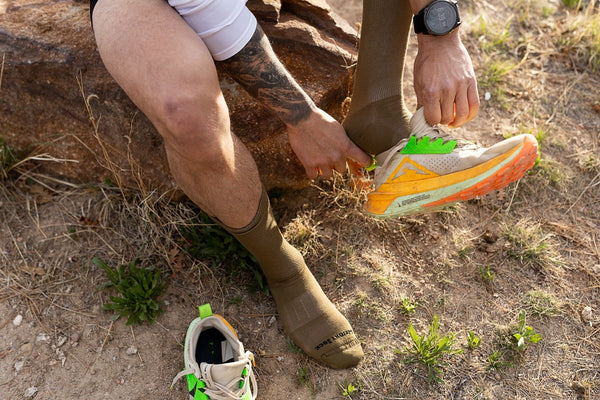
Running or hiking calls for secure fit and blister prevention. Work shifts require durability and sustained airflow. Everyday wear benefits from lightweight comfort and balanced breathability.
Replace Socks Regularly
Over time, fibers lose their moisture-wicking ability. Stretched fabric also increases friction. If your socks feel damp more quickly or no longer fit well, it may be time to replace them. Learn more about how often should you replace socks and the benefits of double layer socks for added performance insight.
Who Should Wear Breathable Socks?
Breathable socks benefit more than just athletes. They’re ideal for:
-
Runners and endurance athletes
-
Hikers and outdoor enthusiasts
-
Healthcare and service professionals
-
Anyone prone to sweaty or overheated feet
-
Travelers in warm climates
Anyone seeking cooler, drier feet can benefit from improved airflow and moisture control.
Stay Cool and Comfortable with Wrightsock
Breathable socks improve airflow, manage moisture, and help reduce blister risk. Proper construction, especially when combined with double-layer design, makes a noticeable difference in comfort and performance.
Wrightsock combines breathable construction with its signature Double Layer system to help keep your feet dry and protected. From the lightweight CoolMesh II line to our full range of performance-driven styles, you can explore men’s and women’s socks designed for running, hiking, work, and everyday wear.
Sources
-
Nature Scientific Reports. Structure design of unidirectional moisture transfer fabric.
https://www.nature.com/articles/s41598-025-15179-2 -
Mayo Clinic Connect. Reducing Foot Odor.
https://connect.mayoclinic.org/blog/take-charge-healthy-aging/newsfeed-post/reducing-foot-odor/ -
Cleveland Clinic Health Essentials. 5 Ways To Avoid Blisters (and the Best Way To Treat Them).
https://health.clevelandclinic.org/5-ways-to-avoid-blisters-and-the-best-ways-treat-them - MDPI (Fibers). Thermal and Moisture Management in the Microclimate of Socks for Diabetic Foot Care.
https://www.mdpi.com/2079-6439/12/7/53