If you’re thinking about going on a hike in an area with lots of ticks, you’ll probably have already planned to wear long-sleeved shirts and pants as well as a bandana or hat to keep them out of your hair. While wearing these clothes is a great idea, they don’t completely protect your body from ticks, particularly around your feet and ankles.
Instead of leaving your feet vulnerable to these disease-carrying parasites, you might want to consider wearing tick-repellent socks. As you look for a pair that will actually protect you, you should know how anti-tick socks work and what to look for when choosing a pair.
Do Anti-Tick Socks Work?
Anti-tick socks that feature a permethrin coating are effective at repelling ticks, with one 2020 study finding that factory-coated clothing reduced tick bites by 65% in the study’s first year. In the second year of the study, the permethrin-coated clothes reduced by 50%, with the two-year average showing a 58% reduction in tick bites. As a result, you can expect tick-repellent socks to significantly reduce tick bites around your feet or legs.
While most anti-tick socks should work, you’ll want to look out for scams. If a tick-repellent sock doesn’t include a coating of permethrin, it probably won’t be very effective at repelling ticks. Typically, sticking with socks made in the United States by trusted sock manufacturers will give you the best tick protection.
How Do Anti-Tick Socks Work?
Anti-tick socks are almost identical to standard socks, but unlike regular socks, they feature permethrin, an EPA-approved tick-repellent synthetic pesticide. Unlike popular bug sprays that only repel ticks and other bugs, permethrin can actually kill or disable ticks. When a tick comes into contact with permethrin-treated clothes, the permethrin will overstimulate the tick’s nervous system very quickly and cause paralysis.
Will Permethrin-Treated Socks Repel Other Bugs?
In addition to repelling ticks, permethrin-coated socks can protect wearers from mosquitoes, making them a great choice when you’re looking for bug repellent socks. Other bugs permethrin repels include midges, flies, chiggers, and ants.
5 Qualities to Look for In Anti-Tick Socks
Before you purchase any bug-repellant socks, you’ll want to check that they have a few qualities for comprehensive anti-tick protection and safety. Review the five main qualities the best anti-tick socks will have below:
1. Effective tick-repellent coating
High-quality tick-repellent socks will be treated with an EPA-approved tick repellent. Research shows that permethrin is effective at preventing tick bites by paralyzing ticks when they come in contact with it. Generally, socks with coatings that haven’t been studied or those that don’t use any coating should be avoided.
2. EPA-approved and safe tick-repellent coating
Alongside protecting your feet and ankles from ticks, your anti-tick socks’ coating should be EPA-approved and safe for human use. In a 2019 study, researchers found that the estimated dosage of permethrin absorbed by participants over three months was well below the U.S. EPA’s level of concern. Currently, permethrin is the only EPA-approved pesticide for treating clothes.
3. Longer length
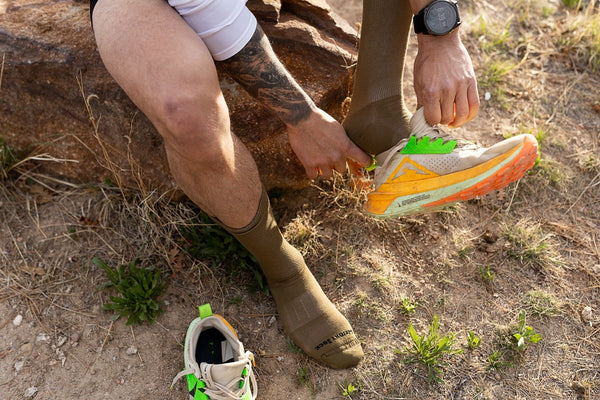
Another feature to look for in anti-tick socks is their length. Shorter socks won’t provide much protection (if any at all) for your ankles and parts of your leg, but those in crew-length or over-the-knee heights will provide much more protection.
4. Breathable and moisture-wicking fabric
Though tick bites can happen throughout the year, you’re more at risk of them during warmer months. Since they tend to be the most active between April and September, it’s a good idea to purchase breathable, moisture-wicking socks. These qualities won’t stop ticks, but they will keep your feet much cooler in the heat. Look for breathable and moisture-wicking fabrics (e.g., polyester and Merino wool) with strategically located vents before buying any tick-repellent socks.
5. Anti-blister design
Alongside protecting your feet and ankles from ticks, you might want to protect them from blisters, especially if you’re going for a long hike. Typically, double-layer socks that target the three main causes of blisters (heat, friction, and moisture) offer the greatest protection from blisters. Additionally, look for socks made with moisture-wicking fabrics to keep sweat away from your feet, feature a seamless toe construction to prevent irritation, and have cushioned zones for additional comfort.
Choose Wrightsock for Anti-Tick Socks
If you’d like to invest in a high-quality pair of bug repellent socks, Wrightsock has you covered. Our new CoolMesh II HYKER socks feature a safe, EPA-approved tick-repelling treatment made with permethrin that places an invisible barrier between your feet and ticks. The socks also come in a crew height for leg protection. Even better, we use our patented double-layer design when crafting our anti-tick socks to ensure they keep your feet free of blisters and ticks.
Check out our new anti-tick CoolMesh II Hyker socks today.