FOR IMMEDIATE RELEASE
Wrightenberry Mills Forms Partnership with UNIFI to Use 70% Post-Consumer Recycled Plastic in Wrightsock Products
Leading manufacturer of socks takes major step toward sustainability with ECO-friendly materials
BURLINGTON, NC — April 22, 2021 — Today, Wrightenberry Mills Inc., manufacturer of Wrightsock Double Layer® socks, announced that it has formed a strategic partnership with UNIFI, a leader in the recycling industry. The partnership will enable Wrightenberry Mills to start using 70% post-consumer recycled plastics in its product line. The process results in using the equivalent of two to four recyclable plastic bottles to manufacture each pair of large men’s crew socks. It represents a major move towards sustainability for the company.
“We are at a critical point in the life of our planet where we have the opportunity to lead the way in sustainable materials, which perform and ‘wear’ as well, if not better that traditional materials,” said Joey Wrightenberry, the President and third generation Owner and Operator of Wrightenberry Mills. “Our ECO-friendly socks are a recycled, upcycled, certified and sustainable product—proudly made by our staff of over 40 experts.”
As part of its sustainable strategy, Wrightenberry Mills has committed to utilizing REPREVE®, a thread product made of 100% post-consumer recycled plastic able to be used as a component in the manufacturing of many sorts of apparel. REPREVE® is used by over 700 companies worldwide. However, Wrightenberry Mills stands out as the first company to date committing to the use of the 100% post-consumer recycled plastic in its entire product line.
The partnership with UNIFI is expected to make a huge difference in the ecosystem and accomplishes a number of goals for the company. As Wrighenberry put it, “We are using a recycled product, plastic bottles that come straight from local landfills. We are also doing our part by being proactive and mindful of cleaning up our planet. Otherwise, those bottles stay in the form of garbage that would break down only after thousands of years.”
The UNIFI plant which produces the post-recycled REPREVE® thread is only 40 miles away from the Wrightsock knitting facility. This proximity limits the environmental impact of transporting materials and serves to reduce the company’s carbon footprint.
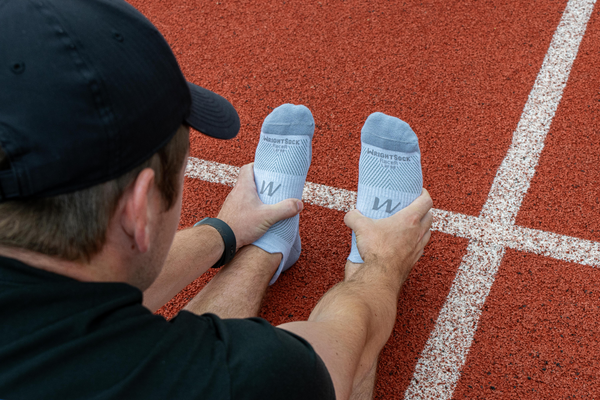
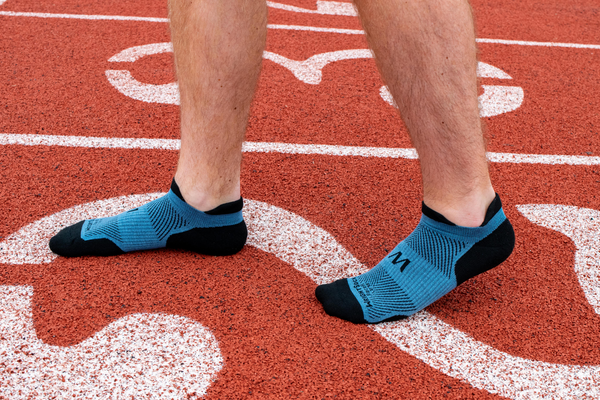
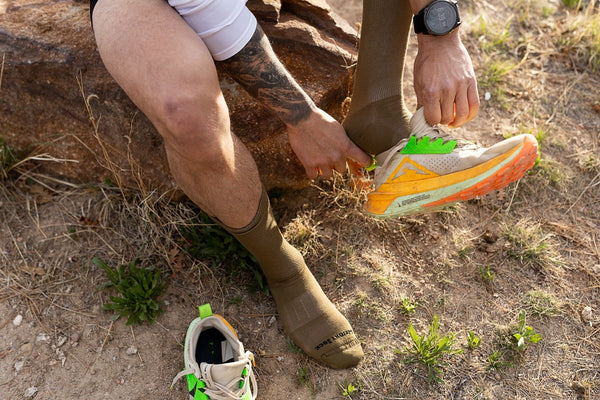
Wrightenberry Mills was founded in 1948. For the past 30 years, the company has produced Wrightsocks, a double layer sock that is guaranteed to be blister free. Years of experience and leadership in the sock industry confirm the quality of its socks known to hikers, runners, outdoor enthusiasts, commuters and families. The Wrightsock™ Double Layer® absorbs friction, which is normally transferred to the skin. The Dri-Wright® II inner layer wicks moisture off the skin as the inner and outer sock layers work together to protect feet from abrasion.
The temperature regulation, or wicking, results in more comfortable feet, which will be cooler in the summer and warmer in the winter. The air trapped between layers acts as insulation from the heat and cold. The benefits of these products have made the The Wrightsock™ Double Layer® a breakthrough for runners, walkers and hikers especially now, during the Covid-19 pandemic, the most valuable long distance walking socks for necessary exercise.