The question of whether you should wear double socks comes up often among runners, hikers, and anyone who has dealt with painful blisters. The short answer: for most active people, a single well-engineered sock with built-in layers outperforms wearing two separate pairs.
The traditional two-sock method has real history behind it. Military personnel and long-distance hikers developed this approach because it shifts friction away from skin and adds cushioning in stiff boots.
This article explains when double-socking helps, when it doesn’t, and why the technology behind modern double layer socks deliver the same benefits with fewer drawbacks.
Why the "Two-Sock Trick" Exists
Double-socking works by shifting friction away from your skin. Instead of rubbing directly against your foot, movement happens between layers, which can reduce hot spots during long efforts.
The benefits of double layer socks include extra cushioning, which can make rigid boots feel more forgiving. In cold conditions, layering can help trap warmth as well.
In freezing temperatures, that second layer also traps warmth between the 2 materials, creating insulation. Soldiers on long marches and endurance athletes have relied on this technique in certain circumstances, but it also comes with trade-offs that modern double layer socks were specifically designed to eliminate.
What Does "Double-Socking" Mean?
The term gets used loosely, which creates confusion. Some people mean wearing two completely separate socks, while others are referring to purpose-built socks with 2 integrated layers.
Classic Liner + Outer Combo
This method pairs a thin liner sock with a thicker outer sock. When done correctly, friction happens between layers instead of against your skin.
Material choice is critical. Synthetic or merino liners help manage moisture, while cotton holds sweat and increases blister risk, which is why many people ask, “Do thicker socks stop blisters?” In reality, finding the right balance of thickness and protection often requires trial and error with fit, materials, and footwear.
Wearing Two of the Same Sock
Some people simply grab 2 identical socks and pull them on together, hoping for extra comfort or warmth. This rarely delivers the results they expect.
Wearing double socks of the same type adds bulk without addressing the underlying causes of foot blisters. If both are cotton, you now have twice the moisture retention.
If both are thick, your footwear becomes uncomfortably tight. Beginners often try this after hearing general advice about wearing 2 pairs.
Pros: When Two Pairs Can Help
Done correctly and in the right context, layering socks offers genuine benefits. The key is knowing when this approach actually makes sense.
Blister Prevention on Long Efforts
The main benefit of layering is friction control. When movement occurs between sock layers rather than against your skin, hot spots are less likely to form. This matters most during long hikes or multi-day efforts where repetitive motion and foot swelling increase the risk of hiking blisters. In these situations, friction management becomes more important than speed or breathability.
However, this friction advantage only works when moisture is properly managed; otherwise, excess heat and sweat can cancel out its benefits.
For instance, multi-day backpacking trips and ultramarathons create conditions where traditional single socks may not provide sufficient protection. In this case, hiking socks with integrated layers offer the same friction-shifting benefit in a simpler package.
Added Cushioning & Cold-Weather Warmth
A second layer adds padding between your foot and your boot, which can reduce pressure on rocky terrain or in stiff footwear. Studies show that carrying a backpack exceeding 10% of body weight leads to significant increases in plantar pressure, making this extra cushioning particularly valuable for loaded hikes.
Meanwhile, in cold environments, trapped air between layers provides insulation. However, this only works if your boots have enough room. Compressed feet restrict circulation and can actually feel colder.
Cons: Why Double-Socking Often Fails
The double sock technique has significant drawbacks that affect most people in most situations. Understanding these limitations helps explain why engineered alternatives have become the preferred choice.
Shoe Fit & Circulation Problems
Two socks take up space. If your footwear doesn’t have extra volume, layering can crowd your toes, reduce circulation, and increase friction.
A simple test: if your boots already feel snug with one thick sock, adding another layer will likely cause problems.
Double-layer socks solve this by fitting like a single sock while still allowing layers to move independently.
Heat & Moisture Buildup
During warm weather or intense exercise, the extra fabric creates a sauna effect inside your footwear. Sweat that cannot escape keeps your skin perpetually damp.
Research shows that hikers who develop blisters tend to have much wetter skin than those who don’t, confirming that excess moisture makes skin more vulnerable to friction damage.
This issue is worse with cotton, which holds moisture instead of releasing it. Moisture management is just as important as friction control in preventing blisters.
Situations Where Double Socks Make Sense (and Where They Don't)
Context determines whether layering helps or hurts. Your activity, footwear, and environment all factor into the decision.
Consider wearing double socks when:
-
Your boots have generous interior volume with room to spare
-
You are facing sub-freezing conditions where warmth is the priority
-
You are on a multi-day hike where feet will swell over time
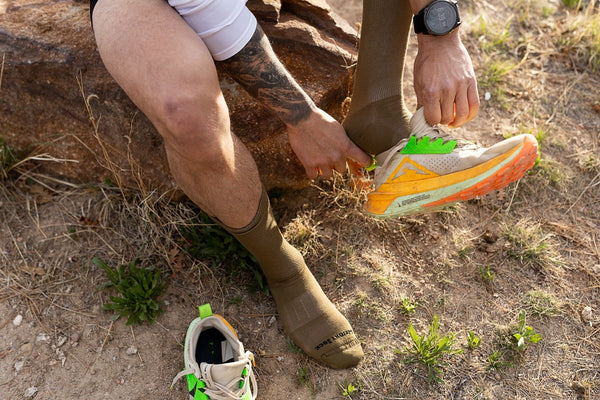
For cold conditions specifically, wool lined socks combine natural merino insulation with double-layer protection
Skip the extra layer when:
-
Temperatures are warm or moderate
-
You’re running, racing, or training for speed
-
Your footwear already fits snugly
-
You want a simple, low-maintenance solution
Better Everyday Alternatives
Modern sock engineering has solved the problems that made double-socking necessary. Today's options deliver superior results with less hassle.
One High-Quality Technical Sock
A well-designed single sock can manage moisture, cushioning, and friction without layering. Modern fibers move sweat away from the skin while targeted cushioning reduces pressure where blisters typically form.
This approach keeps the fit consistent and avoids the bulk of multiple socks or layers of socks.
For those who want natural fiber performance, wool socks that combine temperature regulation with all-day comfort are a good choice.
Single Pair of Double-Layer Technology Socks
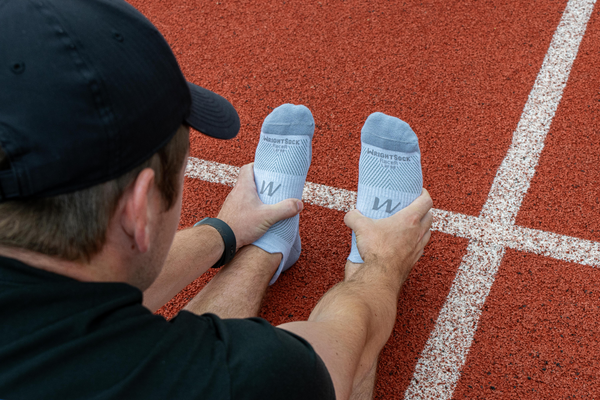
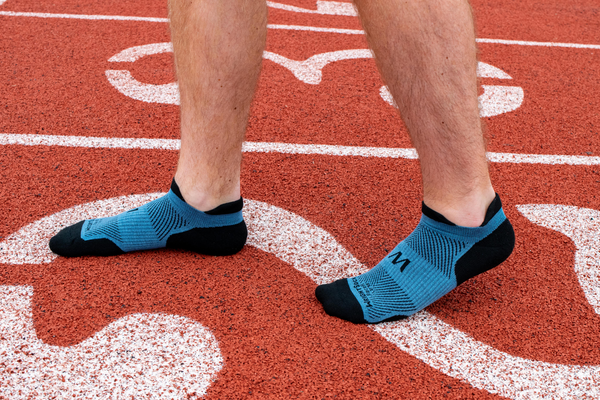
The smartest alternative combines both layers into one integrated sock. Wrightsock pioneered this approach, engineering an inner liner and outer shell that work together seamlessly.
The inner layer sits against your skin and pulls moisture outward. The outer layer disperses that moisture while protecting against friction from footwear.
No sizing adjustments, no bulk, no trial-and-error material matching. You get the benefits of double-socking with the fit and simplicity of one sock. Explore double layer socks or learn more about how the technology works in our guide to double layer socks.
Skip the Bulk, Go Wrightsock
Technology has moved forward since the days of manual sock layering. Wrightsock's double-layer construction addresses friction, moisture, and cushioning in one streamlined package.
This American-made solution delivers proven blister protection backed by decades of expertise. As a family-owned brand with decades of blister prevention expertise, Wrightsock stands behind every sock with a blister-free guarantee.
The full collection includes men's and women's socks designed for running, hiking, work, tactical use, and everyday wear. Many styles incorporate recycled fibers, reflecting a commitment to responsible manufacturing without compromising performance.
Sources
-
PubMed National Institutes of Health. Plantar Pressure Responses to Backpack Load in Long-Distance Hikers: A Cross-Sectional Observational Study. https://pubmed.ncbi.nlm.nih.gov/41562753/
-
PubMed National Institutes of Health. Influence of skin hydration level on the occurrence of blisters on the foot during hiking. https://pubmed.ncbi.nlm.nih.gov/39675818/