
Richard Elkins reviews and runs in the Endurance from Wrightsock
Richard Elkins reviews and runs in the Endurance from Wrightsock

Richard Elkins reviews and runs in the Endurance from Wrightsock
Five things to remember the next time you reach for a pair.
Synthetic blends and merino wool wick — cotton soaks. Skip cotton in high-heat or high-activity wear.
Look for mesh panels across the top of the foot. That's where heat and sweat actually escape.
Moisture + friction is the recipe. Cut moisture and you cut blisters at the source.
Double Layer construction lets the sock rub itself instead of your skin — measurably less friction.
Stretched fabric loses wicking. Damp socks faster than usual? Time for a new pair.
Yes. Breathable socks aren't just for athletes — anyone with sweaty feet, long days on their feet, or warm climates will feel the difference. Better airflow and moisture control means less odor, fewer hot spots, and more comfortable feet through the day.
Synthetic performance blends like polyester and nylon are the workhorses, often combined with merino wool. They wick moisture outward and dry quickly. Heavy cotton, by contrast, holds onto sweat and traps heat — exactly the opposite of what you want.
The two-layer system shifts friction from your skin to the space between the layers. Combined with breathable, moisture-wicking fibers, this can meaningfully reduce blister risk during repetitive motion like running and hiking.
It depends on use, but watch for two signals: socks that feel damp faster than they used to, or fabric that has stretched and stopped fitting snugly. Both mean the fibers have lost wicking ability — time for a fresh pair.
Absolutely. Breathability is about moisture management, not just heat — and damp feet get cold fast. Look for merino wool blends with breathable construction for cold-weather wear: warm when you need it, dry when it counts.
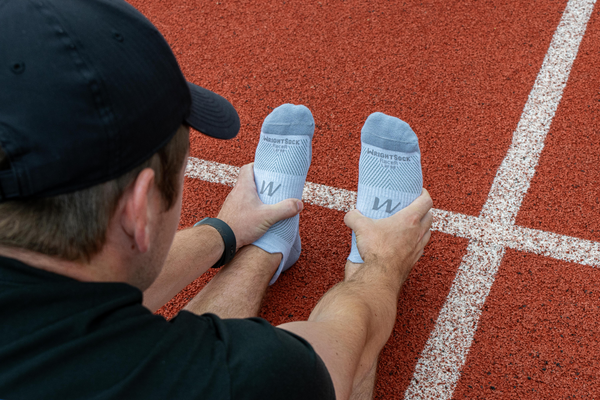
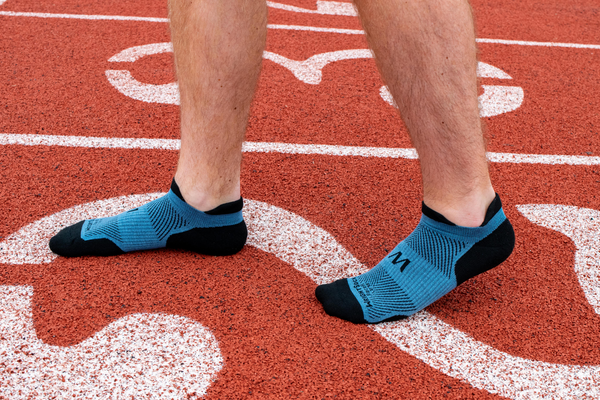
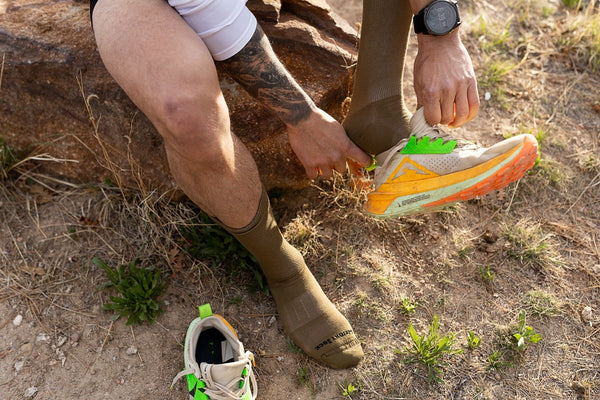

Try the CoolMesh II Double Layer with our 100% Blister-Free Guarantee. Free shipping on orders $50+.
