Hot, sweaty feet aren't just uncomfortable, they slow you down. Whether you’re running in summer heat and sweat, logging mile after mile in running shoes, working long shifts, or spending hours outdoors, overheated feet are a problem many runners and active people face each season.
Learning how to keep your feet cool comes down to three things: reducing heat, managing moisture, and limiting friction. The right footwear, smart daily habits, and breathable socks work together to help keep your feet dry and comfortable.
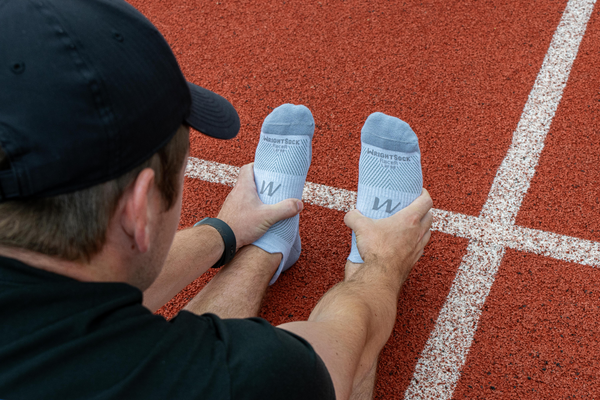
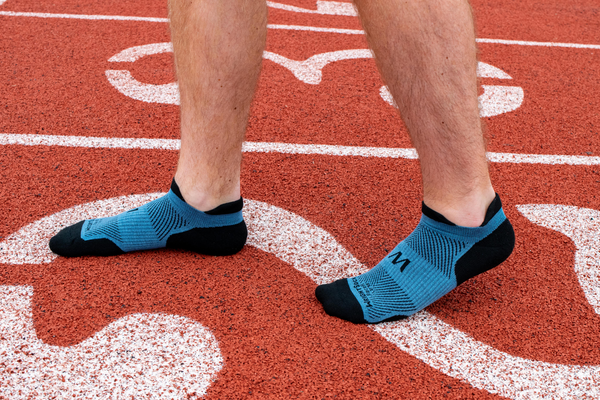
For example, for footwear, lightweight performance options like Wrightsock’s cooling socks are designed to improve airflow and moisture management when temperatures rise.
Why Do Feet Get So Hot in the First Place?
Sweat glands are densely packed on the soles of your feet.1 When sealed inside shoes or boots with limited airflow, heat and moisture quickly get trapped. That buildup creates a cycle:
-
Heat increases sweat.
-
Sweat increases moisture.
-
Moisture increases friction.
-
Friction leads to hot spots, blisters, and odor.
Certain factors make it worse:
-
Hot or humid weather
-
Non-breathable footwear
-
Cotton socks that absorb sweat instead of moving it
-
Tight shoes that restrict airflow and circulation
The great news is that the solution isn’t complicated, it starts with daily habits and smarter gear choices.
Everyday Habits That Help Keep Feet Cool
Small adjustments can improve comfort throughout the day.
Stay Hydrated
Hydration supports overall temperature regulation and healthy circulation. When your body cools efficiently, your feet produce less excess sweat. This is especially important during workouts or extended periods outdoors.
Practice Smart Foot Hygiene
Wash your feet daily and dry thoroughly, especially between your toes. Moisture left behind can lead to odor and discomfort.
If your feet sweat heavily:
-
Rotate each pair of socks so they fully dry between wears
-
Use a light foot powder if needed
-
Avoid wearing the same socks two days in a row
Taking small steps like rotating socks and keeping feet clean helps build better daily habits. With a little planning and the right routine, staying comfortable during warm weather becomes much easier.

Choose Breathable Footwear
Your footwear plays a major role in temperature control.
Look for Airflow-Friendly Materials
Shoes made from mesh, canvas, or certain leathers allow air to circulate more effectively. Materials like plastic or heavy synthetic uppers trap heat and moisture.
When appropriate, supportive sandals increase ventilation. For closed-toe options, look for breathable construction that helps moisture escape rather than collect.
Match Shoes to the Activity
Different activities demand different levels of airflow.
-
For workouts: Choose breathable athletic shoes like running shoes designed for the sport, ideally with lightweight cushion and mesh panels that provide greater airflow.
-
For long workdays: Lightweight footwear with airflow features balances comfort and protection.
-
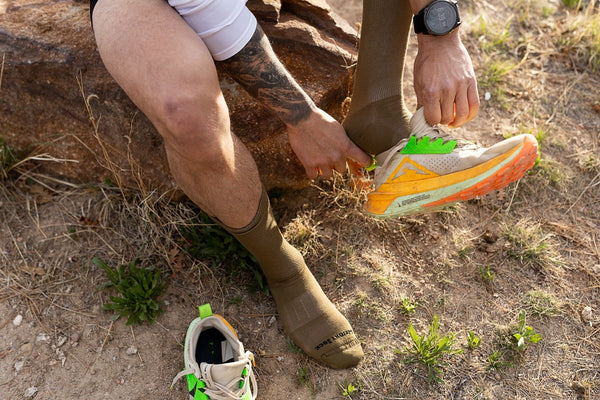
For hiking: Breathable trail shoes work well in dry conditions. Waterproof footwear is useful in rain but can reduce airflow in hot weather.
Even the most breathable shoes won’t help much if your socks trap heat.
The Best Socks for Hot Feet
Your sock is the layer closest to your skin. It directly affects moisture control, airflow, and friction.
Look for Moisture-Wicking Fabrics
Moisture-wicking socks made from synthetic performance blends move sweat away from your skin so it can evaporate. Cotton socks absorb moisture and hold it in place, increasing heat retention.
Lightweight construction and breathable panels further improve airflow. If you’re unsure how these materials work, you may want to learn more about what breathable socks are. While merino wool socks can regulate temperature, lightweight synthetic socks are often the best choice when cooling is the top priority.
Whether you prefer ankle styles for minimal coverage or crew socks for extra protection, breathable construction helps regulate temperature.
Consider Double-Layer Construction
Double-layer socks reduce friction by allowing movement between two layers of fabric instead of against your skin.
Benefits include:
-
Improved moisture management
-
Reduced friction
-
Lower blister risk
This construction is especially helpful for runners, hikers, and anyone spending extended periods on their feet, particularly for those wondering if they should wear double socks, to reduce friction and improve overall comfort.
Fit matters too. Socks should fit snug without being restrictive. A well-fitting pair improves comfort, supports circulation, and prevents bunching that can create friction.
Quick Cooling Tricks for Instant Relief
When your feet feel overheated, a few simple strategies can help.
Cool (Not Icy) Foot Soaks
Soak your feet in cool water for 10–15 minutes to draw out excess heat. Avoid extreme cold, which can stress circulation.
Use Cold Packs or Cooling Gels
Wrap a cold pack in a towel and apply briefly for relief. Storing foot gel in the refrigerator adds a refreshing touch after long days.
Let Your Feet Breathe
Remove your shoes or boots whenever possible. Swapping into a fresh pair of socks midway through the day can also help reset moisture levels and comfort.
Small adjustments like removing shoes during breaks can turn a long, hot day into a much easier and even more fun outdoor experience.
When Hot Feet Might Be a Bigger Issue
Occasional overheating is common. However, persistent swelling, numbness, burning sensations, or color changes may signal an underlying issue. If symptoms continue despite better footwear and socks, consult a medical professional for guidance.

Stay Cool and Comfortable with Wrightsock
Cooling your feet comes down to breathability, moisture control, and reducing friction. The right socks help keep your feet dry, improve airflow inside your footwear, and minimize blister risk.2
Wrightsock’s Double Layer system is designed to manage moisture and reduce friction at the source. This helps you stay comfortable whether you’re running, hiking, working, or simply navigating warm days.
Learn more about the benefits of double-layer socks and explore our full range of men’s and women’s socks to find the right socks for running as well as for hiking, work, and everyday wear.
Sources
-
Cleveland Clinic. Eccrine Glands: What They Are & What They Do.
https://my.clevelandclinic.org/health/body/eccrine-glands -
Cleveland Clinic. 5 Ways to Avoid Blisters (and the Best Ways to Treat Them).
https://health.clevelandclinic.org/5-ways-to-avoid-blisters-and-the-best-ways-treat-them