Blisters can wreck your golf game.
While most of the time, it’s the blisters on golfers’ hands that garner the most attention, the other kind of golfing blisters—the ones on your feet—are just as common and can have just as much negative impact on your performance. Don’t let blisters keep you from reaching the peak of your game!
Check out this guide and learn how to go blister-free when golfing.
How Foot Blisters Affect Your Golf Game
Golfers know how a good stroke begins at your base—which is your feet. But when golfers have painful foot blisters, they often adjust their base to compensate, making for dramatic changes in their swing.
But pain isn’t the only negative way blisters affect golfers. Even smaller, blisters will alter the morphology of your feet, guaranteeing your stroke will be impacted. That means your stroke will be negatively affected no matter how good you are at toughing out the pain!
How Golfing Blisters Form
Most blisters are formed from a combination of excess moisture and friction. First, excess sweat or water breaks down the protective layers of oil on the skin. Then, friction from physical activities gradually causes damage to the vulnerable skin.
The repeated motions involved in golfing–whether it’s walking or swinging a golf club—will commonly result in the development of foot blisters.
Blisters are even more common on hot days when golfers can get sweaty or after a rain when the green is wet.
Tips for Preventing Blisters
The best strategy to prevent foot blisters is to minimize both friction and excess moisture. That means you should avoid wearing tight shoes that cause pinching along your toes, feet, and ankles. As best you can, try to keep your feet dry.
Finally, the right pair of socks will go a considerable way in preventing blisters altogether. Do your socks have blisters in them? Replace them right away, as socks with holes are a guaranteed recipe for blisters.
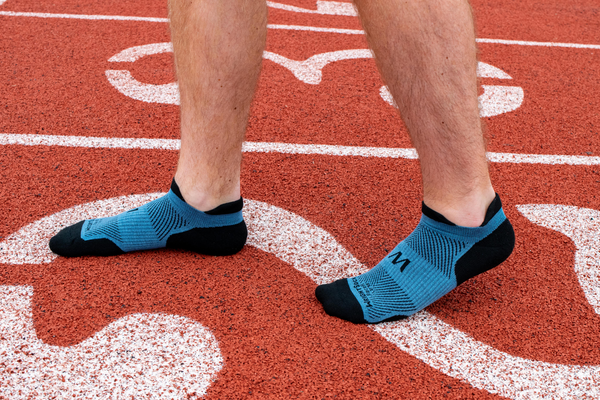
In general, look for durable socks that will hold up to the rigors of your golf game. Socks don’t need to be bulky or thick to protect your feet, as even ultra-thin men’s socks, when made of the right materials, can keep your feet cool and protected.
But for the best protection, look for blister-free golf socks. These socks are guaranteed to prevent blisters altogether. Double-layer anti-blister socks wick away excess moisture while strategically protecting the friction hot spots along feet where blisters are most likely to form.
Wrightsock: Blister-Free Golf Socks for Men
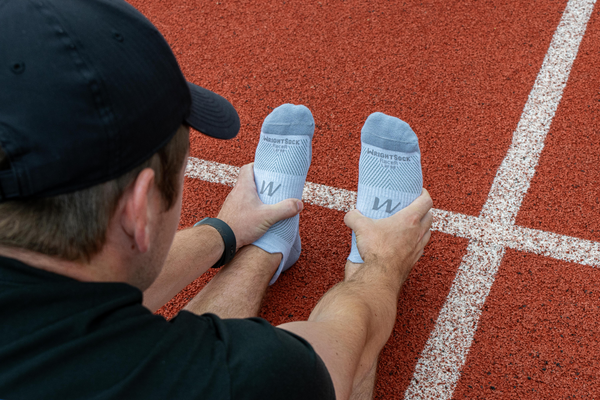
Wightsock’s double-layer, blister-free golf socks for men offer all the same protection as two pairs of socks without any of the uncomfortable bunching or excess fabric. They’re made of high-quality, long-lasting materials that will protect you round after round. They are also quick-dry, which is ideal for sudden afternoon showers or for early-morning golfers who often deal with dew.
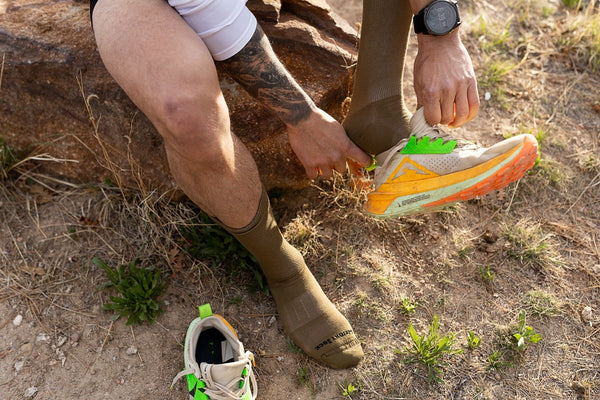
Check out Wrightsock’s lightweight CoolMesh II and our lightly-padded Explore line of blister-free golf socks for men—they’re the perfect choice for golfers expecting long days out on the green.
Do you have other questions about our blister-proof socks or ultra-thin men’s socks for athletes?
Browse our selection of sports socks today.