Football is fast-paced and hard on a player’s feet. With the amount of stopping, cutting, sprinting, and other rapid movements involved in football, having a low-quality pair of socks is a surefire way to wake up the next day with blisters and sore feet.
As you look for a high-quality pair of football socks, we’ll go over some rules related to football uniforms and provide some advice on how to find the best football socks.
Football Sock Regulations
Luckily, there is a good amount of flexibility regarding what type of socks a player can wear in non-professional American Football. American Youth Football is the world’s largest youth football organization, and their rules and regulations don’t have any strict guidelines when it comes to socks. As long as a player's uniform matches their teammates, they can wear whatever brand of socks they’d like.
Similarly, the National Federation of State High School Associations (which establishes rules for high school football in the United States) doesn’t have specific, sock-related rules. For college football sock regulations, the NCCA only requires that players of a team must wear socks that are identical in design and color. The NFL is a little more strict, as no player is allowed to have any part of their leg showing at any point in time.
What to Look for in Football Socks
A good pair of football socks will provide the wearer with support, protection, and, most importantly, comfort. If you want to prevent blisters and protect your feet while you’re out on the gridiron, these are some things you should be looking for when shopping for adult and youth football socks:
-
Quality Material: A high-quality football sock will be made of material that is both moisture-wicking and breathable. A combination of synthetic materials like polyester and nylon are the best types of materials for a high-impact sport like football. Polyester and nylon will give you the support you need on the field while still providing some stretch to your socks.
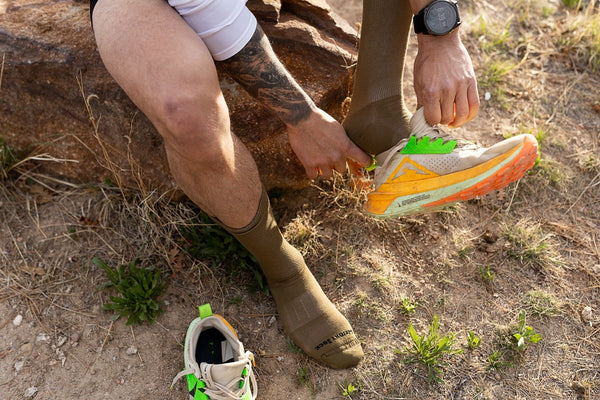
- Length: While football socks can be any length unless the rules and regulations of your league say otherwise, it’s best to opt for over-the-calf socks that cover most of your leg. This length will provide your leg with a layer of protection and help prevent cuts and bruises that may come from skidding or impacts with the ground.
- Cushioning & Support: Football players need extra cushioning in areas like the heel and toe. The added layers of support will help prevent bruising and foot pain after a long day on the field. It will also help protect your feet against blisters, which are a pain to handle if they aren’t better by your next game. A pair of double-layer sports socks is an awesome choice for football players who are blister-prone and want to have that extra layer of protection on their feet.
- Color: Make sure you’re buying appropriately colored socks to match your team’s uniform. For example, if your uniform is primarily pink, you’ll probably need pink football socks to ensure your socks don’t distract from your team’s overall look. Uniformity is important in sports equipment, as it ensures teams look the same and nobody has an unfair advantage out on the field. Fortunately, you can often find multi-colored socks at various retailers to ensure your sock’s style fits your team’s.
Football Sock FAQs
If you’re looking for more guidance while shopping, review our answers to some of the most frequently asked questions about football socks below:
- How Should Football Socks Fit? Football socks should be snug without feeling restrictive. Snug socks help promote blood flow throughout your legs and won’t fall down or bunch up around your cleats.
- What Material Is Best for Football Socks? Football socks made of polyester and nylon are the go-to materials for keeping feet dry and cool while out on the field. Players should avoid heavier materials, as the excess sweat may cause blisters.
- How Should I Take Care of My Football Socks? Your football socks should come with care instructions that are important to follow. Usually, you’ll want to dry socks made of synthetic materials on low to maintain their elasticity. Also, make sure you’re washing them with similar colors!
- How Often Should I Replace My Football Socks? If your football socks start to develop holes, lose their stretchiness, or begin to thin, it’s time to get a new pair! You don’t want to be halfway through a game and notice that you can feel the inside of your cleats!
Choose Wrightsock for Anti-Blister Football Socks
If you’re shopping for a quality pair of anti-blister football socks, choose Wrightsock. We offer a wide range of double-layer socks manufactured to the highest standard and designed to eliminate the three main causes of blisters—heat, friction, and excess moisture. Our double-layer Coolmesh II Over the Calf Socks are perfect for football players as they offer comfort, breathability, a knee-high length, and protection from blisters.
If you have any questions or want help choosing a pair, please contact us. Our double-layer socks also have a No Blister Guarantee, meaning we’ll give you your money back if you get a blister while wearing them.